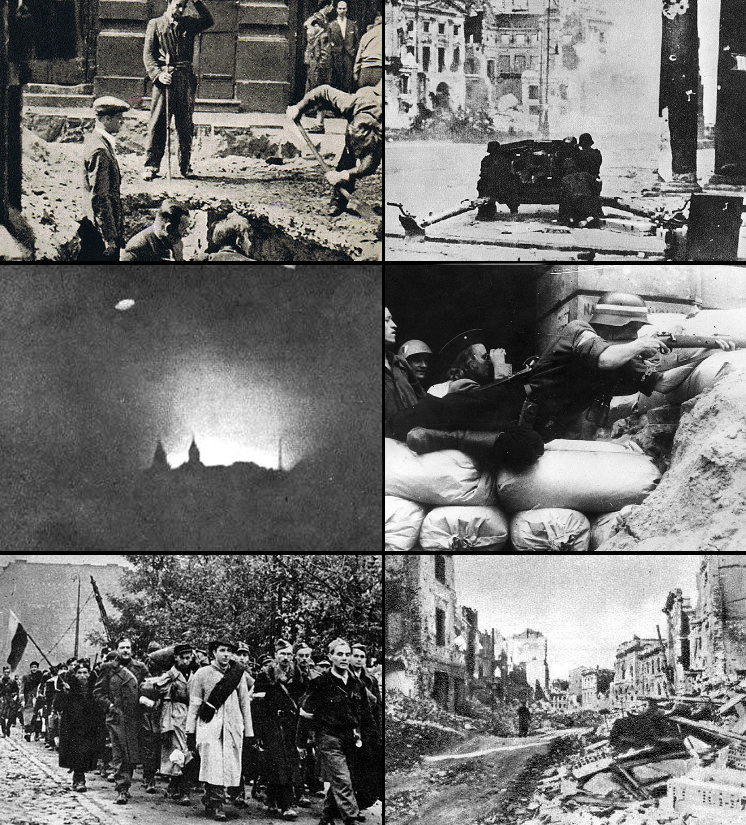
The Warsaw Uprising, staged by the Polish Home Army, begins
Germany


War
4 min read
Updated By: History Editorial Network (HEN)
Published:
The Warsaw Uprising began on 1 August 1944, when the Polish underground resistance, primarily the Home Army (Armia Krajowa), launched a major operation against German occupation forces in the capital. The uprising was timed to coincide with the retreat of German forces and the rapid advance of the Soviet Red Army, which had reached the eastern bank of the Vistula River. The Polish leadership expected Soviet support in the form of direct military assistance and logistical aid. However, this support did not materialize, as the Soviet advance was deliberately halted, leaving the insurgents isolated.
The Home Army, numbering around 40,000 fighters, managed to capture large sections of Warsaw initially, establishing control over districts and attempting to reassert Polish sovereignty before Soviet dominance could be imposed. Despite limited weapons and supplies, the resistance held significant ground for several weeks. German forces responded with overwhelming brutality, deploying heavy artillery, air bombardments, and units notorious for atrocities, such as the SS Dirlewanger Brigade. The Germans systematically destroyed much of the city and massacred tens of thousands of civilians.
By early October 1944, after 63 days of fighting, the uprising collapsed due to exhaustion, lack of supplies, and absence of external assistance. Approximately 16,000 resistance fighters and between 150,000–200,000 civilians were killed. The failure of the uprising left Warsaw devastated and depopulated. Politically, it marked a critical turning point, weakening Poland’s position to resist Soviet domination after the war.
#MomentsOfLife #MoofLife_Moment #MoofLife #WWII #WarsawUprising #Poland1944 #EasternFront
Primary Reference
Warsaw Uprising

Explore the Life Moments of
 AI Twin