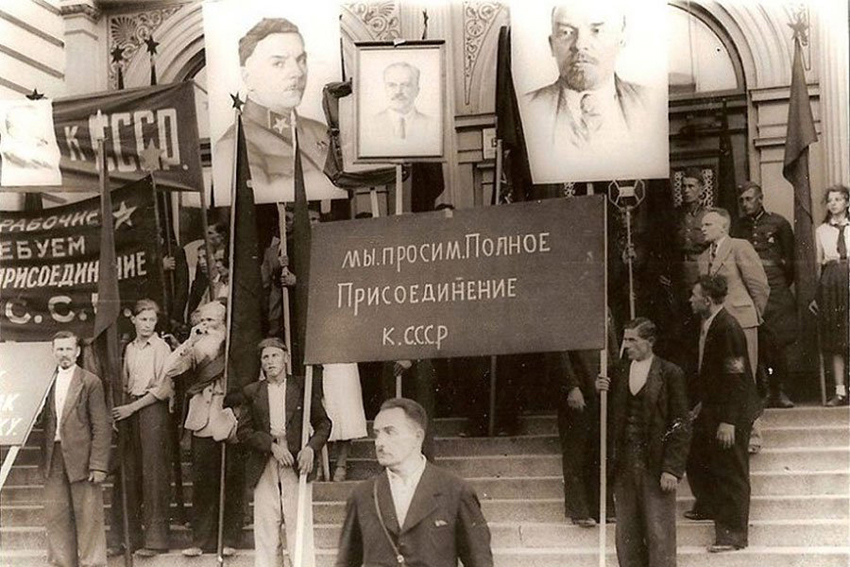
Soviets organize rigged elections in Baltic States
Germany
Political Manipulation
Soviet History
Elections
5 min read
Updated By: History Editorial Network (HEN)
Published:
Updated:
The organization of rigged elections in the Baltic States by the Soviets marked a critical moment in the region's political landscape. Following the annexation of Estonia, Latvia, and Lithuania, the Soviet Union sought to legitimize its control over these territories through a facade of democratic processes. The elections were orchestrated to ensure that the newly formed parliaments would be entirely under Soviet influence, effectively eliminating any opposition and consolidating power. This manipulation of the electoral process was part of a broader strategy to integrate the Baltic States into the Soviet sphere, undermining their sovereignty and independence. The elections were characterized by a lack of genuine competition, as candidates were pre-approved by the Communist Party, and any dissenting voices were systematically silenced. The outcome was predetermined, with the parliaments being filled with pro-Soviet representatives who would support the regime's policies and directives.
The impact of these rigged elections was profound, as they set the stage for decades of Soviet dominance in the Baltic region. The establishment of Soviet control led to significant changes in the political, social, and economic structures of the Baltic States. The imposition of Soviet ideology and governance resulted in widespread repression, loss of civil liberties, and the suppression of national identities. The forced collectivization of agriculture and nationalization of industries disrupted local economies and led to significant hardship for the population. Furthermore, the rigged elections and subsequent Soviet policies contributed to a legacy of resistance and a strong desire for independence among the Baltic peoples, which would eventually culminate in movements for sovereignty in the late 20th century. The events surrounding the rigged elections serve as a stark reminder of the lengths to which authoritarian regimes will go to maintain control and the enduring impact of such actions on national identity and autonomy.
#mooflife
#MomentOfLife
#SovietUnion
#BalticStates
#RiggedElections
#PoliticalControl
#HistoricalEvents
Primary Reference
Soviet occupation of the Baltic states (1940)

Explore the Life Moments of
 AI Twin