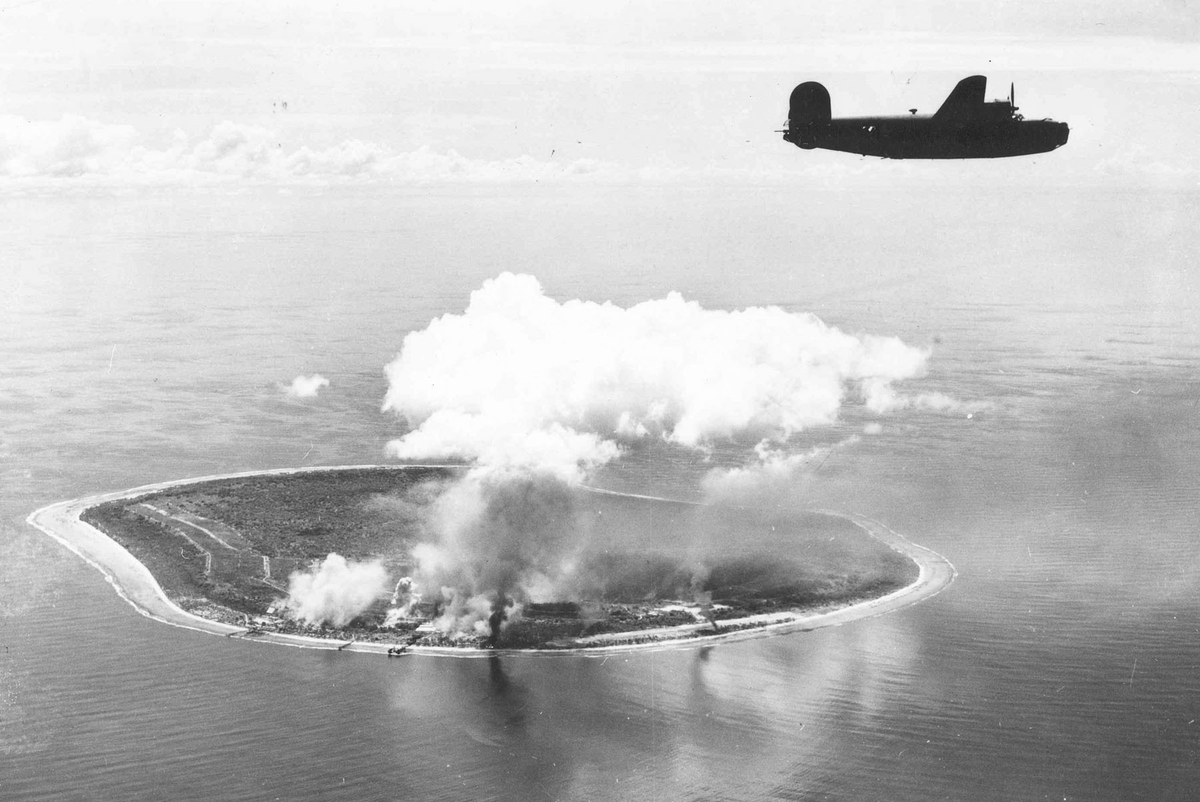
Soviet Air Force bombs Narva
Germany
4 min read
Updated By: History Editorial Network (HEN)
Published:
The bombing of Narva by the Soviet Air Force marked a critical phase in the broader context of World War II, particularly in the Eastern Front operations. The city of Narva, located in Estonia, was strategically significant due to its proximity to the Soviet Union and its role as a gateway to the Baltic region. The Soviet military aimed to weaken German defenses and regain control over territories lost during earlier conflicts. The Leningrad Front, which was responsible for the offensive, initiated a series of military actions designed to push back German forces and reclaim key locations. The bombing campaign on Narva resulted in extensive destruction, significantly impacting the civilian population and infrastructure of the city. Reports indicate that the airstrikes led to a high level of casualties and left much of the urban area in ruins, which was a common outcome in urban warfare during this period.
The impact of the bombing extended beyond immediate destruction; it was part of a larger strategy to demoralize enemy troops and disrupt supply lines. The offensive was not only a military maneuver but also a psychological tactic aimed at showcasing Soviet strength. The destruction of Narva served as a warning to other cities under German control, illustrating the consequences of continued resistance. The operation contributed to the eventual Soviet advance into the Baltic states, altering the balance of power in the region. The events surrounding the bombing of Narva exemplify the intense and often devastating nature of warfare during this era, where cities became battlegrounds and civilian lives were profoundly affected by military strategies.
#mooflife
#MomentOfLife
#SovietAirForce
#NarvaBombing
#EasternFront
#WorldWarIi
#LeningradFront

Explore the Life Moments of
 AI Twin