Sobibor uprising
Germany

4 min read
Updated By: History Editorial Network (HEN)
Published:
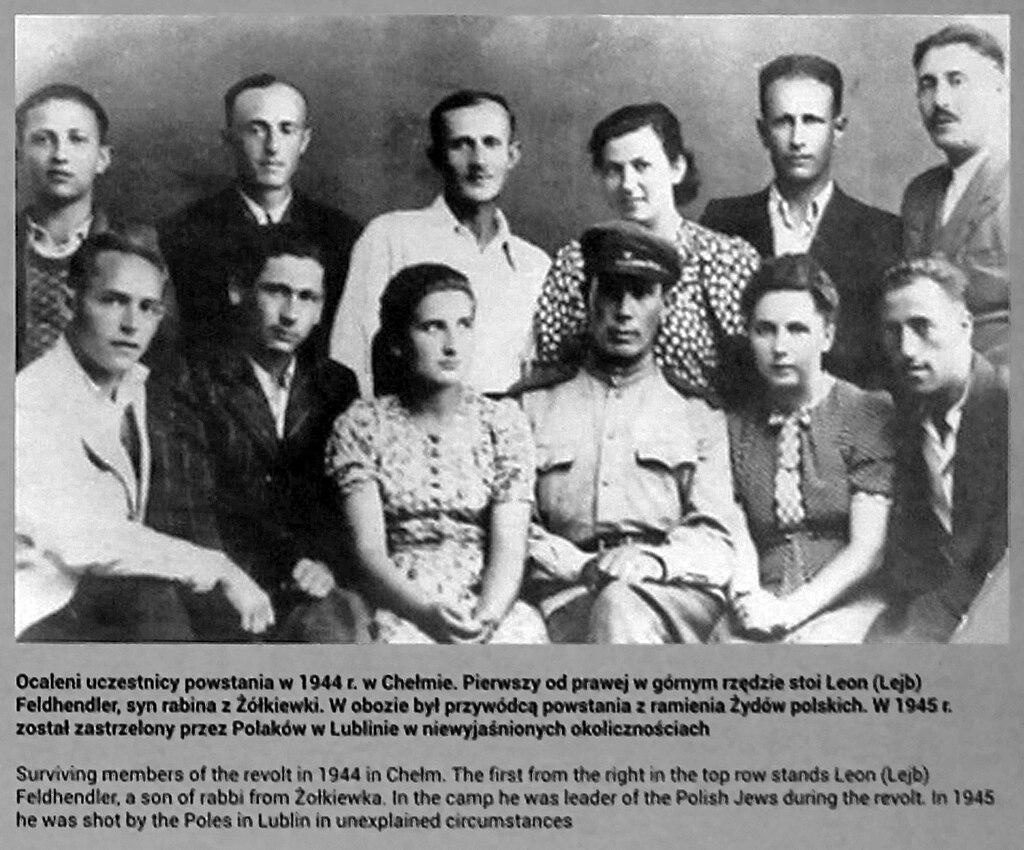
On 14 October 1943, a prisoner uprising occurred at the Sobibor extermination camp in German-occupied Poland. Sobibor, established in 1942 as part of Operation Reinhard, was designed exclusively for the mass murder of Jews, with an estimated 170,000 to 250,000 victims killed there. The uprising was planned by a clandestine prisoner committee led by Polish-Jewish inmate Leon Feldhendler and Soviet-Jewish officer Alexander Pechersky, who had been deported to the camp earlier that year.
The plan called for the covert killing of SS officers and guards, seizure of weapons, and a mass escape before German reinforcements could respond. On the afternoon of 14 October, prisoners lured several SS men and Ukrainian guards into workshops under the pretense of providing goods, where they were killed with axes, knives, and hidden weapons. Despite the initial success, the alarm was eventually raised, forcing prisoners to rush toward the camp’s perimeter under heavy fire. Approximately 300 inmates managed to break out, though many were killed by mines, bullets, or later recaptured. Ultimately, around 50 to 70 escapees survived the war.
The Sobibor revolt was one of the most significant prisoner uprisings in a Nazi extermination camp. In its aftermath, Heinrich Himmler ordered the camp closed and dismantled to conceal evidence of mass killings. The uprising stands as a rare example of organized resistance within the death camp system, symbolizing both desperation and defiance under genocidal persecution.
#MomentsOfLife #MoofLife_Moment #MoofLife #WWII #Holocaust #Sobibor #Uprising #OperationReinhard
Primary Reference
Sobibor uprising

Explore the Life Moments of
 AI Twin