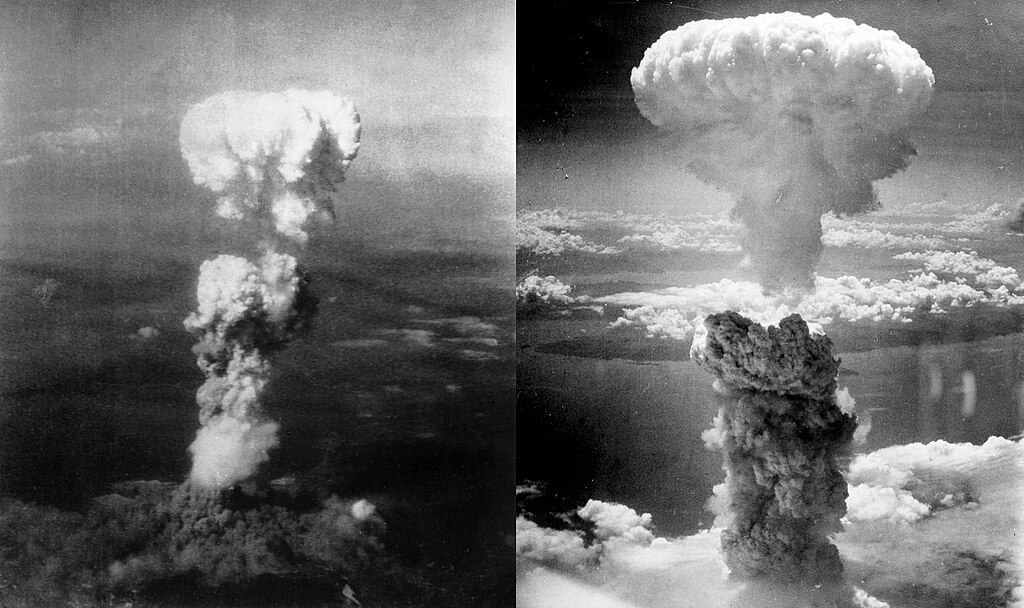
Second atomic bomb dropped on Nagasaki
Germany


4 min read
Updated By: History Editorial Network (HEN)
Published:
On 9 August 1945, the United States carried out the second use of an atomic bomb in warfare by attacking the Japanese city of Nagasaki. The B-29 bomber Bockscar, piloted by Major Charles W. Sweeney, dropped a plutonium implosion-type device nicknamed “Fat Man” at 11:02 a.m. The bomb detonated approximately 500 meters above the Urakami Valley, producing a blast with an estimated yield of 21 kilotons of TNT. Due to Nagasaki’s hilly terrain, the destruction was more contained compared to Hiroshima, but the impact was still devastating. Between 40,000 and 75,000 people were killed instantly or within the following months, while tens of thousands more suffered long-term effects from burns and radiation exposure.
The bombing of Nagasaki came just three days after Hiroshima and coincided with the Soviet Union’s entry into the war against Japan on 8 August 1945, when Soviet forces invaded Japanese-occupied Manchuria. The combination of atomic devastation and Soviet military action placed immense pressure on Japan’s leadership. On 10 August, the Japanese government communicated its willingness to surrender under the condition of retaining the emperor, leading to formal acceptance of Allied terms on 15 August 1945.
The Nagasaki bombing reinforced the unprecedented destructive capacity of nuclear weapons and played a central role in Japan’s decision to capitulate, effectively bringing the Second World War to an end. It also underscored the beginning of the nuclear age, shaping post-war geopolitics and the emerging Cold War.
#MomentsOfLife #MoofLife_Moment #MoofLife #WWII #Nagasaki #AtomicBomb #NuclearHistory
Primary Reference
Atomic bombings of Hiroshima and Nagasaki

Explore the Life Moments of
 AI Twin