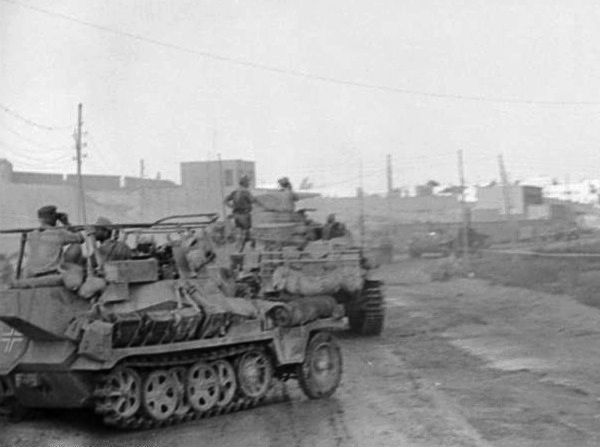
Rommel heads for Tobruk and Egypt
Germany

Military History
World War II
Naval Warfare
3 min read
Updated By: History Editorial Network (HEN)
Published:
Updated:
In the early stages of the North African Campaign, German General Erwin Rommel advanced towards Tobruk and Egypt, positioning his forces approximately 200 miles east of El Agheila. This movement was part of a broader strategy to secure control over North Africa, which was crucial for both Axis and Allied powers. The capture of Benghazi by Rommel's forces marked a significant shift in the balance of power in the region, as Tobruk became a focal point of contention. The city would remain under threat for several months, highlighting the strategic importance of this location in the ongoing conflict. The pro-Axis government established in Iraq during this period further illustrated the expanding influence of Axis powers in the region, complicating the geopolitical landscape for the Allies. Meanwhile, British forces were engaged in various operations, including the successful capture of Asmara, the capital of Eritrea, from Italian troops, indicating the multifaceted nature of the military engagements occurring simultaneously across North Africa and the Middle East.
#mooflife
#MomentOfLife
#Rommel
#Tobruk
#NorthAfricanCampaign
#WorldWarIi
#AxisPowers
Primary Reference
Siege of Tobruk

Explore the Life Moments of
 AI Twin