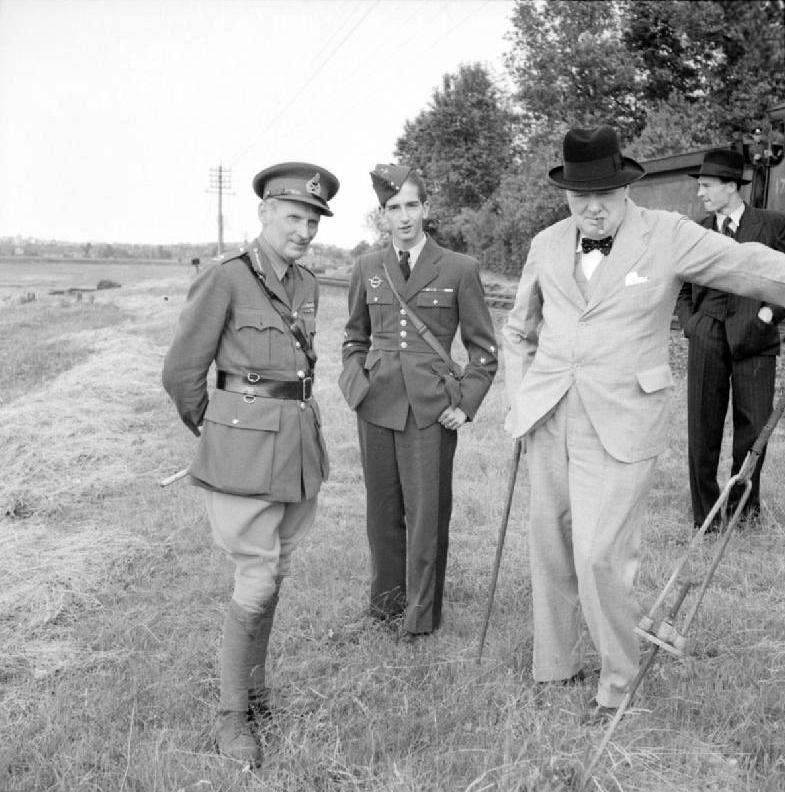
Peter II becomes King of Yugoslavia
Germany
Monarchy
Political Events
4 min read
Updated By: History Editorial Network (HEN)
Published:
Updated:
Crown Prince Peter ascended to the throne as Peter II of Yugoslavia following a military coup that removed the pro-German government led by the Prince Regent. This shift in power occurred during a tumultuous period marked by the rising influence of Axis powers in Europe, particularly Nazi Germany. The coup was a response to the growing discontent among the Yugoslav populace regarding the alignment of the previous government with German interests, especially as tensions escalated in the region. Peter II, at a young age, was thrust into a position of leadership during a critical juncture in Yugoslav history, as the country faced the threat of invasion and occupation. His reign began amidst a backdrop of political instability and the looming threat of World War II, which would have profound implications for the future of Yugoslavia.
The impact of Peter II's ascension was significant in shaping the national identity and political landscape of Yugoslavia. His government sought to establish a more independent stance from Axis powers, aiming to unify the diverse ethnic groups within the country. However, the challenges were immense, as the country was soon invaded by Axis forces, leading to a brutal occupation. The coup and subsequent leadership change highlighted the internal divisions within Yugoslavia and the complexities of its political environment. Peter II's reign would ultimately be characterized by the struggle for sovereignty and the fight against foreign domination, which would resonate throughout the region for decades. The events surrounding his rise to power serve as a crucial chapter in understanding the historical context of Yugoslavia's tumultuous journey during the mid-20th century.
#mooflife
#MomentOfLife
#PeterIi
#Yugoslavia
#WorldWarIi
#MilitaryCoup
#PoliticalHistory
Primary Reference
Peter II of Yugoslavia

Explore the Life Moments of
 AI Twin