Operation Crossbow and RAF Bombing of Peenemünde
Germany
'%3e%3cpath fill='%23012169' d='M0 0v30h60V0z'/%3e%3cpath stroke='%23fff' stroke-width='6' d='m0 0 60 30m0-30L0 30'/%3e%3cpath stroke='%23C8102E' stroke-width='4' d='m0 0 60 30m0-30L0 30' clip-path='url(%23b)'/%3e%3cpath stroke='%23fff' stroke-width='10' d='M30 0v30M0 15h60'/%3e%3cpath stroke='%23C8102E' stroke-width='6' d='M30 0v30M0 15h60'/%3e%3c/g%3e%3c/svg%3e)

Military
World War II
4 min read
Updated By: History Editorial Network (HEN)
Published:
Updated:
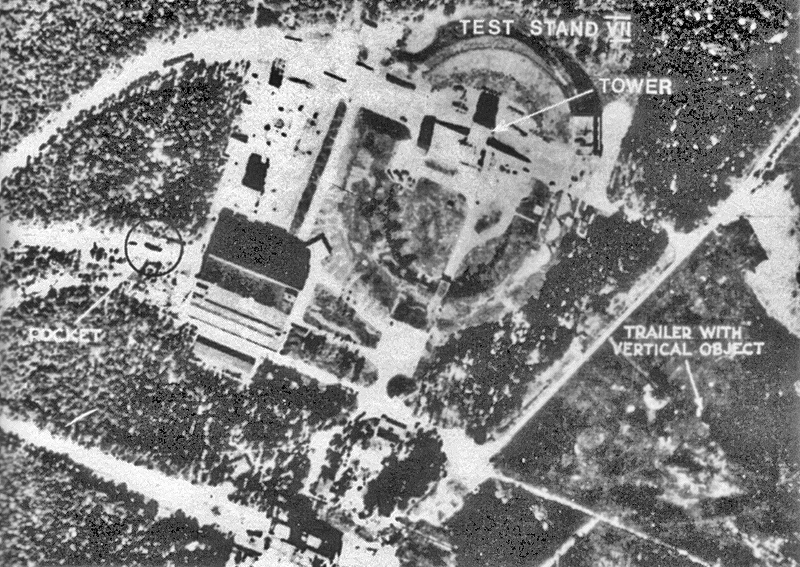
Operation Crossbow was a strategic Allied campaign aimed at disrupting the German V-weapon program during World War II. The operation commenced with Operation Hydra, which targeted the Peenemünde facility, known for its development of the V-2 rocket. This facility was crucial for the German military's plans to deploy long-range guided missiles against Allied targets. The bombing raid conducted by the Royal Air Force (RAF) was significant in that it sought to cripple the technological advancements being made by the Germans in missile technology. The attack on Peenemünde was part of a broader strategy to undermine German capabilities and morale by targeting key industrial sites. The RAF's efforts were met with heavy resistance, and the operation highlighted the challenges faced by Allied forces in conducting precision bombing missions over heavily defended enemy territory.
The impact of Operation Crossbow extended beyond the immediate destruction of the Peenemünde facility. It marked a shift in Allied tactics, emphasizing the importance of targeting enemy infrastructure to hinder their war efforts. The bombing raids aimed to delay the operational deployment of the V-2 rockets, which posed a significant threat to Allied forces and cities. Despite the initial success of the raids, the German military managed to continue its rocket development, leading to the eventual deployment of the V-2s. The operation underscored the complexities of aerial warfare and the necessity for continued intelligence and reconnaissance to inform future missions. Overall, Operation Crossbow represented a critical phase in the Allied bombing campaign, reflecting the ongoing struggle to gain air superiority and disrupt enemy operations during the war.
#mooflife
#MomentOfLife
#OperationCrossbow
#RafBombing
#Peenemünde
#V-2Rocket
#WorldWarIi

Explore the Life Moments of
 AI Twin