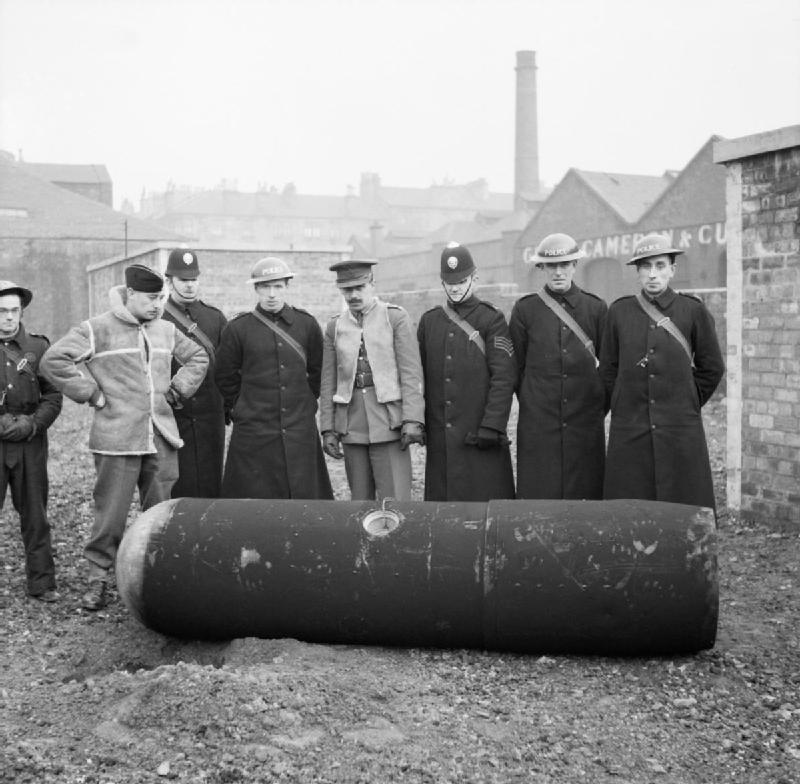
Luftwaffe Attacks Glasgow and Shipping Industry
Germany
Military
World War II
3 min read
Updated By: History Editorial Network (HEN)
Published:
Updated:
The Luftwaffe launched a significant aerial offensive targeting Glasgow and the shipping industry along the River Clyde. This operation was part of a broader strategy to disrupt Allied supply lines and weaken the industrial capabilities of the United Kingdom. Glasgow, being a crucial port city, played a vital role in the shipping and manufacturing sectors, making it a prime target for German air raids. The attacks aimed to damage shipyards and disrupt the movement of goods, thereby impacting the war effort of the Allies. The scale of the Luftwaffe's assault was considerable, involving a large force that inflicted substantial damage on both infrastructure and morale in the region. The bombing raids not only targeted military assets but also civilian areas, leading to significant casualties and destruction. The impact of these attacks extended beyond immediate physical damage; they also instilled fear and uncertainty among the local population, affecting daily life and economic activities. The Luftwaffe's strategy of targeting industrial hubs was designed to cripple the enemy's ability to sustain prolonged military engagements, and the strikes on Glasgow were a clear demonstration of this tactic. In the broader context of the war, these attacks contributed to the ongoing struggle for control of the Atlantic shipping lanes, which were vital for the supply of troops and materials to the front lines.
#mooflife
#MomentOfLife
#Luftwaffe
#Glasgow
#ShippingIndustry
#RiverClyde
#WorldWarIi
Primary Reference
Clydebank Blitz

Explore the Life Moments of
 AI Twin