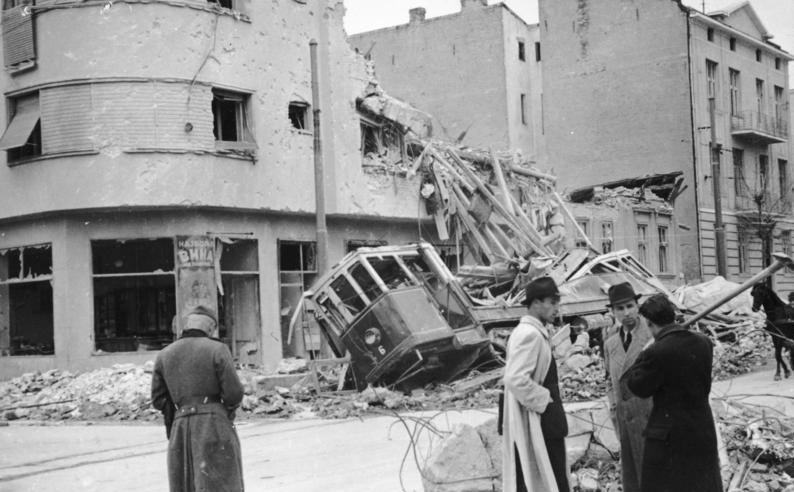
Luftwaffe Assault on Belgrade Infuriates Hitler
Germany

World War II
Military
4 min read
Updated By: History Editorial Network (HEN)
Published:
Updated:
The Luftwaffe launched a two-day aerial assault on Belgrade, Yugoslavia, which marked a critical moment in the German military campaign during World War II. This operation was part of a broader strategy to quickly subdue the Balkans and secure German interests in the region. The assault was characterized by intense bombing raids aimed at both military targets and civilian infrastructure, resulting in significant destruction and loss of life. The Luftwaffe's actions were met with fierce resistance from Yugoslav forces, which frustrated Adolf Hitler. The German leadership had anticipated a swift victory, but the unexpected resilience of the Yugoslav military delayed their plans and provoked Hitler's anger. This resistance not only hindered the German advance but also showcased the determination of the Yugoslav people to defend their homeland against foreign aggression.
The impact of the Luftwaffe's assault on Belgrade extended beyond immediate military objectives. The destruction of the city and the high civilian casualties contributed to a growing sense of resistance among the Yugoslav population. This event galvanized various factions within Yugoslavia, leading to increased support for partisan movements that would later play a crucial role in the resistance against Axis occupation. The Luftwaffe's campaign in Belgrade also highlighted the challenges faced by the German military in maintaining control over occupied territories, as local populations often resisted foreign domination. The fallout from this assault had lasting implications for the region, influencing the course of the war in the Balkans and shaping the post-war landscape of Yugoslavia.
#mooflife
#MomentOfLife
#Luftwaffe
#Belgrade
#WorldWarIi
#Yugoslavia
#GermanMilitaryCampaign
Primary Reference
German bombing of Belgrade

Explore the Life Moments of
 AI Twin