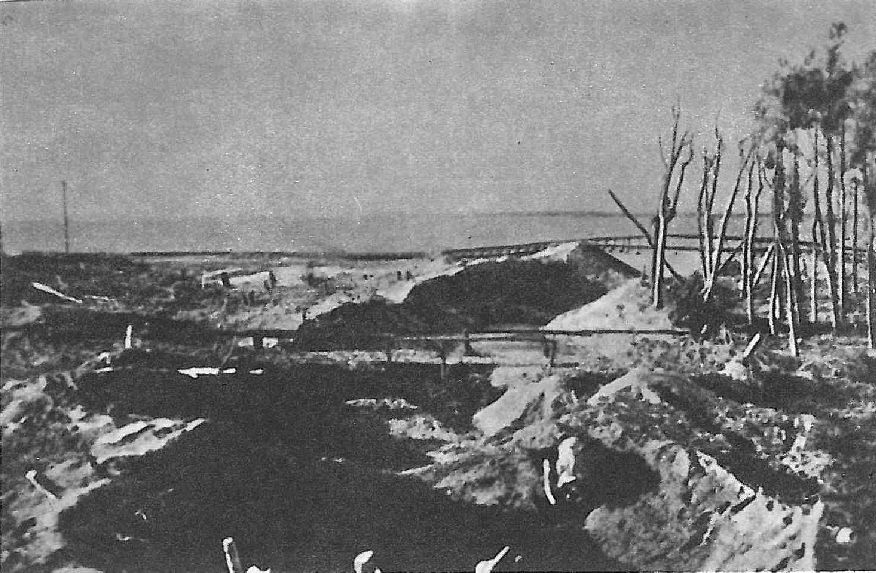
Last Polish garrison capitulates at Hel
Germany
Military History
World War II
Polish History
3 min read
Updated By: History Editorial Network (HEN)
Published:
Updated:
The Battle of Hel was a significant military engagement during the early stages of World War II, involving Polish forces defending the Hel Peninsula against German invasion. The Polish garrison at Hel was one of the last strongholds resisting the German advance in the region. The strategic location of Hel, a narrow spit of land extending into the Baltic Sea, made it a critical point for both defense and naval operations. The garrison faced overwhelming odds, as German forces employed superior numbers and artillery to encircle and bombard the position. Despite fierce resistance, the Polish troops were ultimately unable to sustain their defense against the relentless German assault. The capitulation of the last Polish garrison at Hel marked the end of organized Polish military resistance in the area, contributing to the broader collapse of Polish defenses during the invasion. This event underscored the rapid and devastating impact of the German Blitzkrieg tactics, which combined fast-moving ground forces with coordinated air support, leading to swift victories in multiple fronts across Poland. The fall of Hel not only symbolized the loss of Polish sovereignty but also highlighted the strategic importance of coastal defenses in modern warfare. The aftermath of the battle saw the complete occupation of Poland by German forces, which had lasting implications for the region and the course of the war in Europe.
#mooflife
#MomentOfLife
#BattleOfHel
#PolishGarrison
#WorldWarIi
#GermanInvasion
#MilitaryHistory
Primary Reference
Battle of Hel

Explore the Life Moments of
 AI Twin