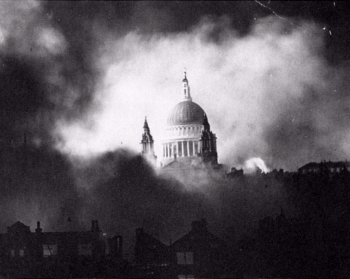
Large German air-raids on London
Germany
World War II
Architecture
3 min read
Updated By: History Editorial Network (HEN)
Published:
Updated:
Large German air-raids on London were a critical component of the aerial warfare strategy employed during the conflict. These raids aimed to demoralize the British population and disrupt the war effort by targeting key infrastructure and civilian areas. The raids involved extensive bombing campaigns that resulted in significant destruction across the city. One of the notable impacts of these air-raids was the damage inflicted on St Paul's Cathedral, a symbol of resilience for Londoners. The cathedral, with its iconic dome, became a focal point during the bombings, representing both the cultural heritage of the city and the determination of its people to withstand the onslaught. The raids not only caused physical damage but also instilled fear and anxiety among the civilian population, leading to changes in daily life, including the implementation of air raid precautions and the establishment of shelters. Statistics indicate that thousands of tons of bombs were dropped on London, resulting in extensive loss of life and property. The psychological impact of these raids was profound, as they tested the resolve of the British public and influenced wartime propaganda efforts. The resilience shown by Londoners during these challenging times became a significant aspect of the narrative surrounding the war, highlighting the importance of unity and perseverance in the face of adversity.
#mooflife
#MomentOfLife
#GermanAir-raids
#LondonBombings
#StPaul'sCathedral
#WorldWarIi
#CivilianImpact
Primary Reference
St Paul's Cathedral

Explore the Life Moments of
 AI Twin