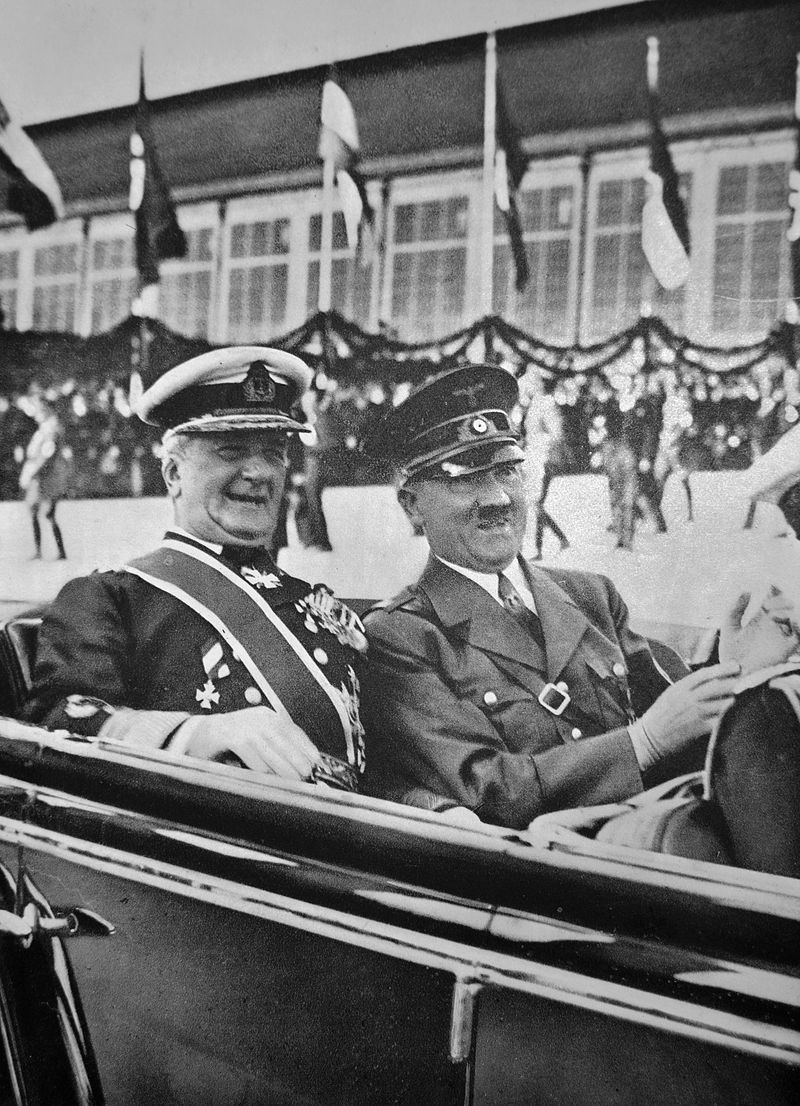
Hungary Joins the Tripartite Pact
Germany

Politics
World War II
4 min read
Updated By: History Editorial Network (HEN)
Published:
Updated:
Hungary's decision to join the Tripartite Pact marked a pivotal moment in its foreign policy during the early 20th century. The Tripartite Pact was an agreement signed by Germany, Italy, and Japan, which aimed to establish a military alliance against the Allied powers. Hungary's alignment with the Axis powers was influenced by its desire to regain territories lost after World War I and to strengthen its position in Central Europe. The pact provided Hungary with a sense of security and support from its more powerful allies, particularly Germany, which was expanding its influence across Europe. By joining the pact, Hungary sought to assert its national interests and counter the threats posed by neighboring countries and the Soviet Union. This alignment also facilitated Hungary's participation in military operations alongside Axis forces, further entrenching its role in the conflict.
The impact of Hungary's entry into the Tripartite Pact was significant, as it solidified the Axis powers' presence in Eastern Europe. Hungary contributed troops to the Eastern Front, participating in operations against the Soviet Union. This involvement had dire consequences for Hungary, as the war progressed and the tide turned against the Axis. The alliance ultimately led to increased military casualties and economic strain on the country. Additionally, Hungary's collaboration with Nazi Germany raised complex issues regarding its domestic policies, including the treatment of its Jewish population. The consequences of this alliance would resonate long after the war, influencing Hungary's post-war political landscape and its relationship with both Western and Eastern powers.
#mooflife
#MomentOfLife
#Hungary
#TripartitePact
#AxisPowers
#WorldWarIi
#CentralEurope
Primary Reference
Hungary in World War II

Explore the Life Moments of
 AI Twin