Battle of the River Plate
Germany
Naval Warfare
World War II
Military History
4 min read
Updated By: History Editorial Network (HEN)
Published:
Updated:
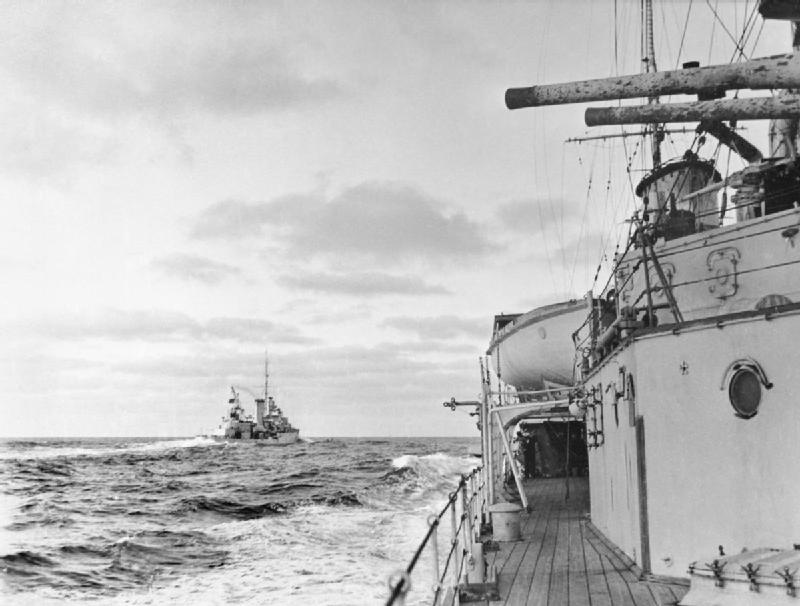
The Battle of the River Plate was a naval engagement that took place off the coast of Montevideo, Uruguay. This confrontation involved the Royal Navy's hunting group F, which consisted of three cruisers: HMS Exeter, HMS Ajax, and HMS Achilles. The primary objective of this group was to intercept and engage the German warship Admiral Graf Spee, which had been conducting operations in the South Atlantic. The battle commenced when the British cruisers located the Graf Spee, leading to a fierce exchange of gunfire. The British forces managed to inflict significant damage on the German vessel, which ultimately forced it to seek refuge in Montevideo's harbor. The engagement highlighted the strategic importance of naval power in controlling maritime routes and showcased the effectiveness of coordinated naval tactics against a formidable adversary.
The impact of the Battle of the River Plate was substantial, as it marked the first major naval battle of World War II. The damage sustained by the Admiral Graf Spee led to its eventual scuttling by its crew to prevent capture. This event not only represented a tactical victory for the Royal Navy but also served as a morale booster for Allied forces. The battle underscored the challenges faced by the German Navy in maintaining supply lines and highlighted the vulnerabilities of surface ships in open waters. The outcome of this engagement contributed to the broader naval strategy employed by the Allies throughout the conflict, emphasizing the need for effective reconnaissance and the importance of maintaining control over key maritime regions.
#mooflife
#MomentOfLife
#BattleOfTheRiverPlate
#RoyalNavy
#AdmiralGrafSpee
#NavalWarfare
#WorldWarIi
Primary Reference
Battle of the River Plate

Explore the Life Moments of
 AI Twin