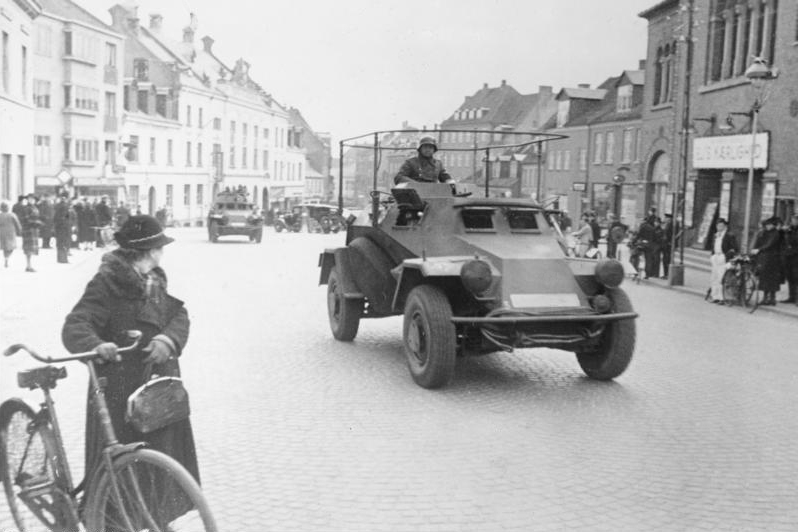
Hitler plans invasion of Denmark and Norway
Germany


World War II
Military Strategy
Historical Events
4 min read
Updated By: History Editorial Network (HEN)
Published:
Updated:
Adolf Hitler's strategic planning for the invasion of Denmark and Norway was a critical component of Germany's military objectives during World War II. The decision to invade these countries was influenced by several factors, including the need to secure supply routes and to prevent the Allies from establishing a presence in Scandinavia. The German military recognized that control over Denmark would provide a strategic advantage, as it would allow for easier access to the North Sea and the Atlantic Ocean. Additionally, Norway's extensive coastline and natural resources, particularly its iron ore, were vital for sustaining the German war effort. The planning involved detailed assessments of the geographical and military conditions in both countries, as well as the potential responses from Allied forces. The operation was characterized by a swift and coordinated approach, utilizing air and naval power to achieve rapid success. The invasion ultimately led to the occupation of both Denmark and Norway, significantly impacting the course of the war in Northern Europe. The successful execution of this plan demonstrated the effectiveness of Blitzkrieg tactics, which emphasized speed and surprise, and set the stage for further German advances in the region. The occupation of these countries also had lasting implications for the local populations and the broader geopolitical landscape, as it solidified German control over Northern Europe and influenced the strategies of the Allied forces in subsequent military engagements.
#mooflife
#MomentOfLife
#Hitler
#Invasion
#Denmark
#Norway
#WorldWarIi
Primary Reference
Operation Weserübung

Explore the Life Moments of
 AI Twin