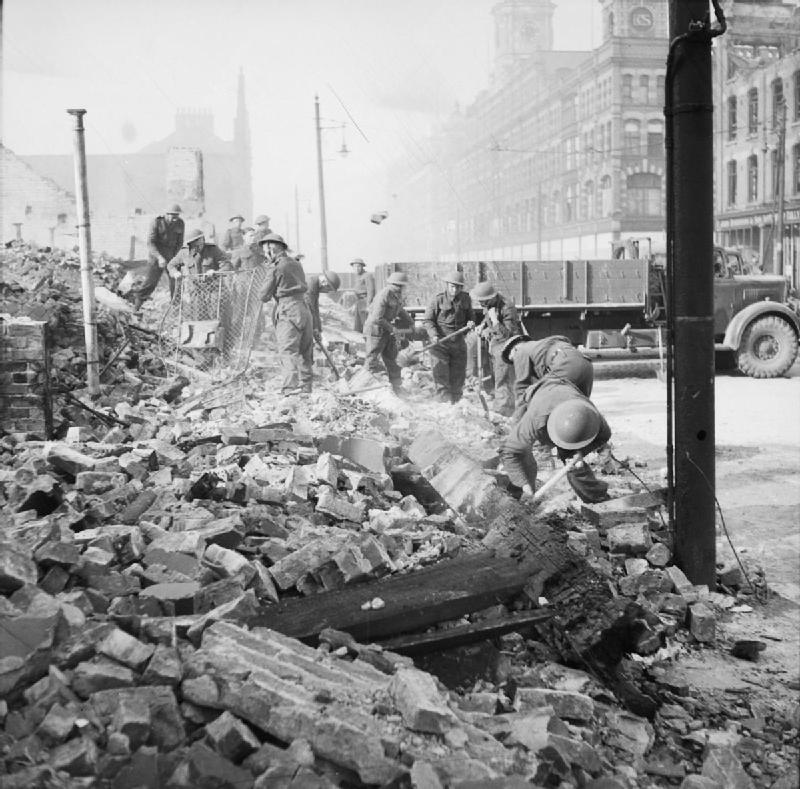
Heavy Luftwaffe raid on Belfast
Germany
4 min read
Updated By: History Editorial Network (HEN)
Published:
Updated:
The heavy Luftwaffe raid on Belfast marked a critical point in the aerial bombardment campaign during World War II. This raid was part of a broader strategy by the German military to weaken British morale and disrupt industrial production. Belfast, being a significant industrial city, was targeted due to its shipbuilding and manufacturing capabilities, which were vital for the British war effort. The raid resulted in substantial damage to infrastructure and civilian casualties, highlighting the vulnerability of urban centers to aerial attacks. The impact of the raid extended beyond immediate destruction; it instilled fear among the civilian population and demonstrated the reach of the German air force. The psychological effects of such raids contributed to a growing sense of urgency within the British government to bolster air defenses and improve civil defense measures.
In the context of the war, this raid occurred during a period of intense military activity in Europe, including the German invasion of Yugoslavia and the ongoing conflict in Greece. The Luftwaffe's operations were not only aimed at military targets but also sought to undermine the resolve of the British people. The raid on Belfast was one of many that would occur throughout the war, as cities across the UK faced similar threats. The statistics surrounding the raid indicate a significant loss of life and property, with many civilians affected by the destruction. This event underscored the strategic importance of air power in modern warfare and the lengths to which nations would go to achieve their military objectives.
#mooflife
#MomentOfLife
#Luftwaffe
#Belfast
#WorldWarIi
#AerialBombardment
#MilitaryHistory
Primary Reference
Belfast Blitz

Explore the Life Moments of
 AI Twin