Germany and Slovakia sign border treaty
Germany
International Relations
Treaties
Geopolitics
3 min read
Updated By: History Editorial Network (HEN)
Published:
Updated:
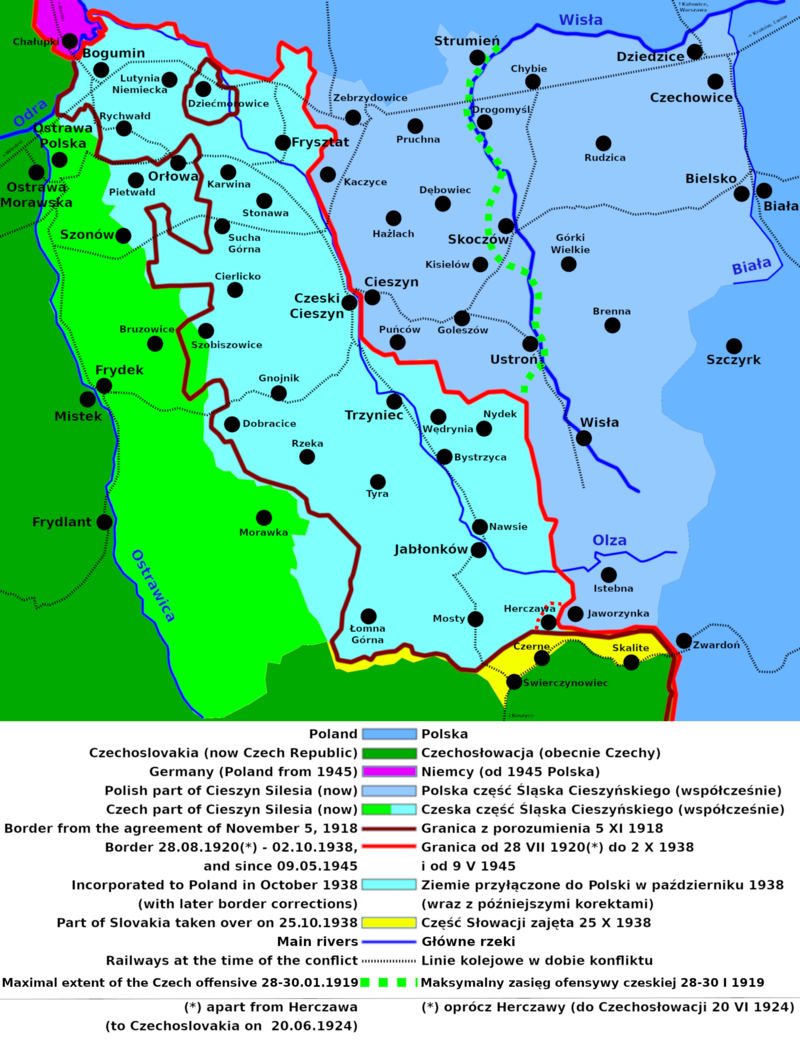
The border treaty between Germany and Slovakia established a formal agreement regarding territorial adjustments between the two nations. This treaty specifically assigned to Slovakia the Polish parts of the Orava and Spiš regions, which had been previously taken by Poland in the late 1930s. The agreement was part of a broader context of shifting borders and alliances in Central Europe during a period marked by significant geopolitical changes. The treaty not only reflected the ambitions of Germany to expand its influence in Eastern Europe but also highlighted Slovakia's role as a partner in these territorial negotiations. The implications of this treaty were profound, as it contributed to the realignment of borders that would have lasting effects on the region's political landscape. The reassignment of territories was a strategic move that aimed to solidify Slovakia's position and ensure its alignment with German interests, particularly in the face of rising tensions leading to broader conflicts in Europe. This treaty was one of several agreements that characterized the era, as nations sought to navigate the complexities of alliances and territorial claims amidst the backdrop of impending war.
#mooflife
#MomentOfLife
#Germany
#Slovakia
#BorderTreaty
#Orava
#Spiš
Primary Reference
List of timelines of World War II

Explore the Life Moments of
 AI Twin