German U-boat Offensive Gains Success in Atlantic
Germany

3 min read
Updated By: History Editorial Network (HEN)
Published:
Updated:
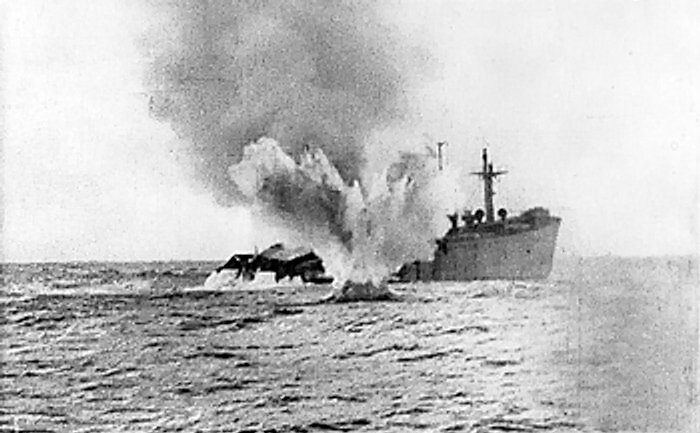
The German U-boat offensive in the Atlantic marked a pivotal phase in naval warfare during the conflict. The campaign aimed to disrupt Allied shipping routes and cripple supply lines essential for the war effort. U-boats, or submarines, were deployed in large numbers, utilizing stealth and surprise to target merchant vessels and military transports. The effectiveness of this strategy was evident as the U-boats began to achieve notable successes, sinking a significant number of Allied ships. This offensive not only threatened the supply of troops and materials to Britain but also instilled fear among merchant sailors, leading to increased insurance costs and a decline in transatlantic shipping. The impact of the U-boat campaign was felt across the Atlantic, as it forced the Allies to adapt their naval strategies, including the implementation of convoy systems to protect merchant ships from U-boat attacks. The success of the U-boat offensive contributed to a shift in naval dominance, showcasing the effectiveness of submarine warfare in disrupting enemy logistics and altering the course of maritime engagements during the war. As the U-boat campaign progressed, it became clear that the Allies would need to develop countermeasures to mitigate the threat posed by these submarines, leading to advancements in anti-submarine warfare tactics and technologies.
#mooflife
#MomentOfLife
#GermanU-boats
#AtlanticOffensive
#NavalWarfare
#AlliedShipping
#SubmarineStrategy
Primary Reference
Battle of the Atlantic

Explore the Life Moments of
 AI Twin