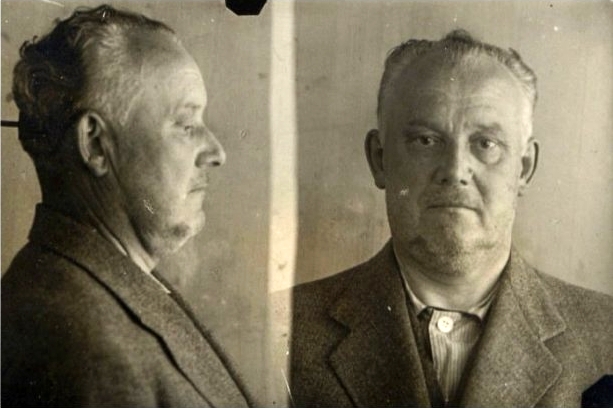
General Johan Laidoner deported to Siberia
Germany

Military
Politics
4 min read
Updated By: History Editorial Network (HEN)
Published:
Updated:
General Johan Laidoner, a prominent military leader in Estonia, was deported to Siberia as part of the broader Soviet repression that affected many Estonian officials and citizens during the occupation. Laidoner had served as the commander of the Estonian Defence Forces and played a crucial role in the country's military strategy during its struggle for independence. His deportation was part of a systematic effort by the Soviet regime to eliminate potential opposition and consolidate control over the Baltic states. The Soviet authorities targeted key figures in the Estonian government and military, leading to widespread arrests and deportations. This action not only removed Laidoner from his position of influence but also instilled fear among the remaining leadership and the general populace, contributing to a climate of oppression and uncertainty. The impact of Laidoner's deportation was felt throughout Estonia, as it symbolized the loss of national sovereignty and the harsh realities of Soviet rule. Many Estonians viewed the deportations as a direct attack on their national identity and autonomy, leading to a long-lasting legacy of resistance against Soviet oppression. The deportation of Laidoner and others marked a significant turning point in Estonia's history, as it highlighted the vulnerabilities of small nations in the face of larger powers and the consequences of geopolitical conflicts. The events surrounding his deportation are a reminder of the struggles faced by Estonia during this tumultuous period, as well as the resilience of its people in the face of adversity.
#mooflife
#MomentOfLife
#JohanLaidoner
#Estonia
#SiberiaDeportation
#SovietRepression
#BalticStatesHistory
Primary Reference
Johan Laidoner

Explore the Life Moments of
 AI Twin