Gamelin Halts French Saar Offensive
Germany
Military
France
World War II
4 min read
Updated By: History Editorial Network (HEN)
Published:
Updated:
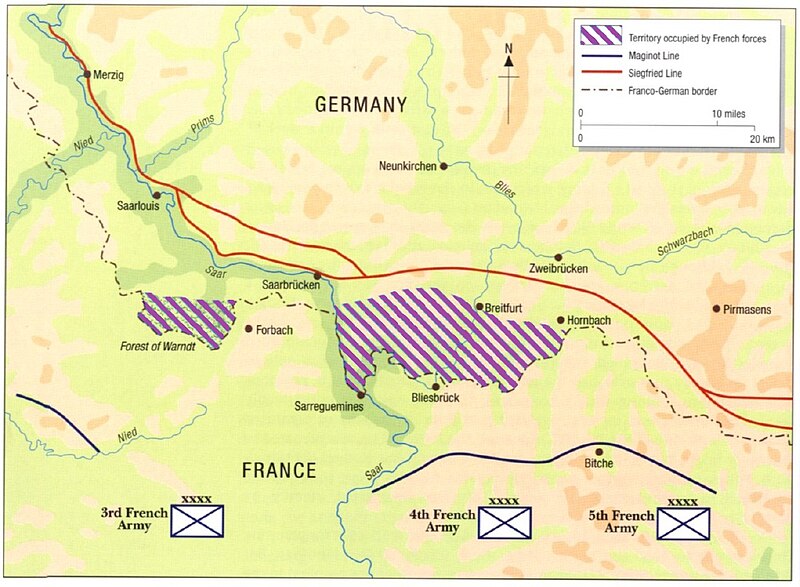
The French Saar Offensive was initiated as part of the Allied strategy to engage German forces early in the conflict. General Maurice Gamelin, the French commander, led the offensive with the objective of capturing territory and applying pressure on Germany. However, the operation faced numerous challenges, including logistical issues and the strength of German defenses. After a limited advance that resulted in the capture of only a few villages, Gamelin made the decision to halt the offensive. This decision was influenced by the realization that the French forces were not adequately prepared for a sustained engagement and that the German military was more resilient than anticipated. The halt of the Saar Offensive marked a significant shift in the French military strategy, as it underscored the difficulties faced by the Allies in mounting an effective campaign against Germany at the onset of the conflict.
The impact of halting the Saar Offensive was profound, as it allowed German forces to regroup and strengthen their positions. The decision also reflected the broader challenges faced by the French military leadership, which struggled to adapt to the rapidly changing dynamics of warfare. The halt contributed to a sense of uncertainty and frustration among the French troops and the public, as expectations for a swift victory diminished. This event highlighted the complexities of military planning and the importance of readiness in the face of an aggressive adversary. The French military would later reassess its strategies in response to the lessons learned from the Saar Offensive, ultimately influencing their approach in subsequent engagements during the conflict.
#mooflife
#MomentOfLife
#FrenchSaarOffensive
#GeneralGamelin
#WorldWarIi
#MilitaryStrategy
#AlliedForces
Primary Reference
Saar Offensive

Explore the Life Moments of
 AI Twin