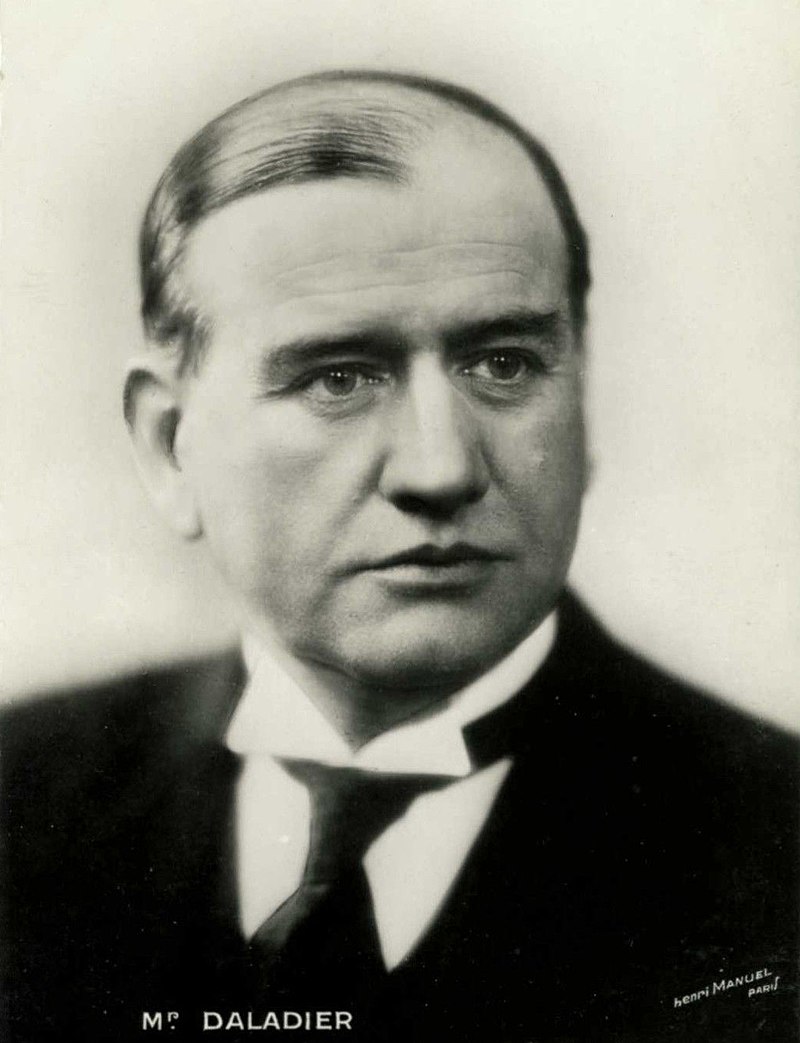
French Premier declines Hitler's peace offer
Germany
Politics
World War II
4 min read
Updated By: History Editorial Network (HEN)
Published:
Updated:
French Premier Édouard Daladier's decision to decline Adolf Hitler's peace offer was a pivotal moment in the lead-up to World War II. This refusal was rooted in the broader context of European tensions and the aggressive expansionist policies of Nazi Germany. Daladier, representing France, was acutely aware of the implications of appeasement, especially after witnessing the annexation of Austria and the dismemberment of Czechoslovakia. The French government, alongside its British counterpart, had adopted a policy of collective security, which aimed to deter further German aggression through alliances and military preparedness. The rejection of Hitler's overtures was not merely a diplomatic maneuver; it signified a commitment to resist totalitarianism and uphold the principles of sovereignty and national integrity in Europe.
The impact of this decision reverberated throughout Europe, as it underscored the growing divide between the Axis powers and the Allied nations. Daladier's stance was supported by a significant portion of the French populace, who were wary of the consequences of capitulation. The refusal to engage in negotiations with Hitler was also indicative of the broader strategic calculations being made by France and Britain, as they sought to rally support among other nations against the threat posed by Nazi Germany. This moment marked a clear delineation in European politics, as it set the stage for the eventual military confrontations that would engulf the continent. The decline of the peace offer was a reflection of the prevailing sentiment that any agreement with Hitler would likely be insincere and temporary, further solidifying the resolve of the Allies to confront the Axis powers head-on.
#mooflife
#MomentOfLife
#FrenchPremier
#Hitler'sPeaceOffer
#WorldWarIi
#ÉdouardDaladier
#EuropeanTensions
Primary Reference
List of timelines of World War II

Explore the Life Moments of
 AI Twin