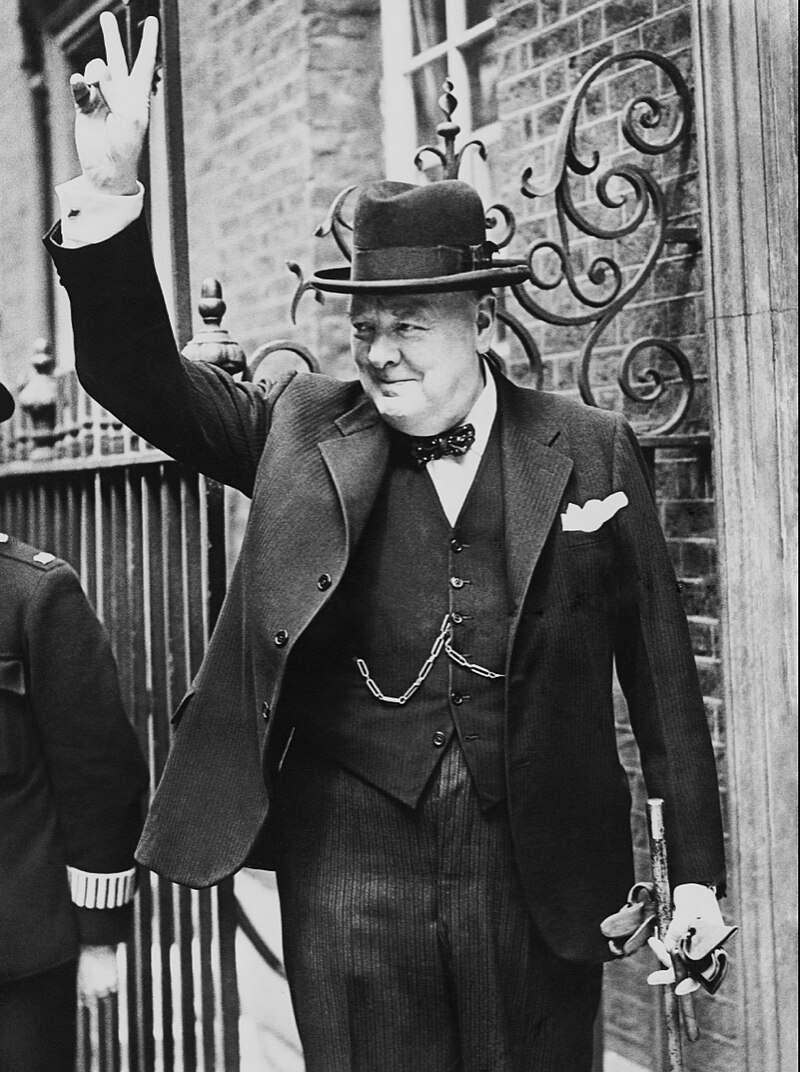
First Use of 'V for Victory'
Germany
Media History
World War II
Cultural Symbols
3 min read
Updated By: History Editorial Network (HEN)
Published:
Updated:
The phrase 'V for Victory' was first introduced by Victor de Laveleye during a broadcast on the BBC's Belgian service, Radio Belgique. This campaign was aimed at boosting morale among the Belgian population during World War II, particularly in the context of the Nazi occupation. The 'V' symbol, which stands for victory, was not only a rallying cry for the Belgian resistance but also became a broader symbol of hope and defiance against oppression across Europe. The use of the 'V' sign was strategically significant as it resonated with the public, encouraging unity and resilience in the face of adversity. The campaign gained traction, leading to widespread adoption of the symbol in various forms of resistance movements throughout occupied territories. The 'V for Victory' campaign also inspired similar movements in other countries, reinforcing the idea of collective struggle against tyranny. The impact of this campaign was profound, as it helped to galvanize support for the Allied forces and fostered a sense of solidarity among those fighting against fascism. Over time, the 'V' symbol became synonymous with the Allied victory and was utilized in various propaganda efforts to promote the war effort and maintain public morale.
#mooflife
#MomentOfLife
#VForVictory
#VictorDeLaveleye
#WorldWarIi
#BelgianResistance
#NaziOccupation
Primary Reference
V sign

Explore the Life Moments of
 AI Twin