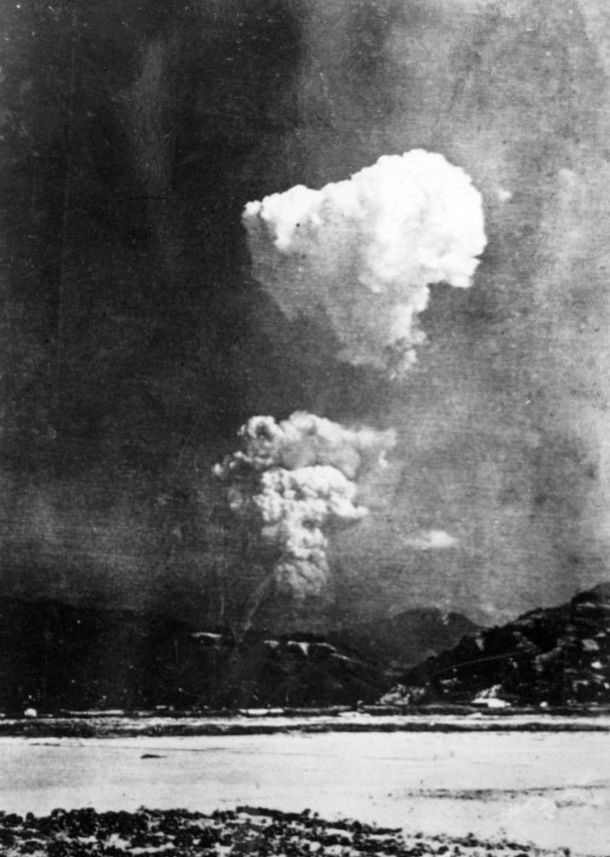
First atomic bomb on Hiroshima
Germany


War
4 min read
Updated By: History Editorial Network (HEN)
Published:
On 6 August 1945, the United States dropped the first atomic bomb used in warfare on the Japanese city of Hiroshima. At 8:15 a.m., the B-29 bomber Enola Gay, piloted by Colonel Paul W. Tibbets, released the uranium-235 bomb nicknamed “Little Boy” over the city’s center. The device detonated approximately 600 meters above ground, producing an immense blast equivalent to around 15 kilotons of TNT. The explosion destroyed much of Hiroshima instantly, flattening nearly 70 percent of its buildings. Estimates of immediate deaths range from 70,000 to 80,000, with tens of thousands more succumbing in the following weeks and months due to burns, radiation sickness, and injuries.
The attack was part of a U.S. strategy to force Japan’s surrender without the need for a costly invasion of the Japanese home islands. President Harry S. Truman had authorized the use of the weapon after Japan had rejected the terms of the Potsdam Declaration on 26 July 1945, which demanded unconditional surrender. The Hiroshima bombing marked the first use of nuclear weapons in human history, setting a precedent for their role in international relations and warfare.
The consequences were profound: militarily, it hastened Japan’s decision-making process toward surrender; politically, it demonstrated U.S. military supremacy in the closing phase of the war; and historically, it initiated the nuclear age, with long-term implications for global security and diplomacy.
#MomentsOfLife #MoofLife_Moment #MoofLife #WWII #Hiroshima #AtomicBomb #NuclearHistory
Primary Reference
Atomic bombings of Hiroshima and Nagasaki

Explore the Life Moments of
 AI Twin