End of the Siege of Leningrad
Germany


War
World War II
3 min read
Updated By: History Editorial Network (HEN)
Published:
Updated:
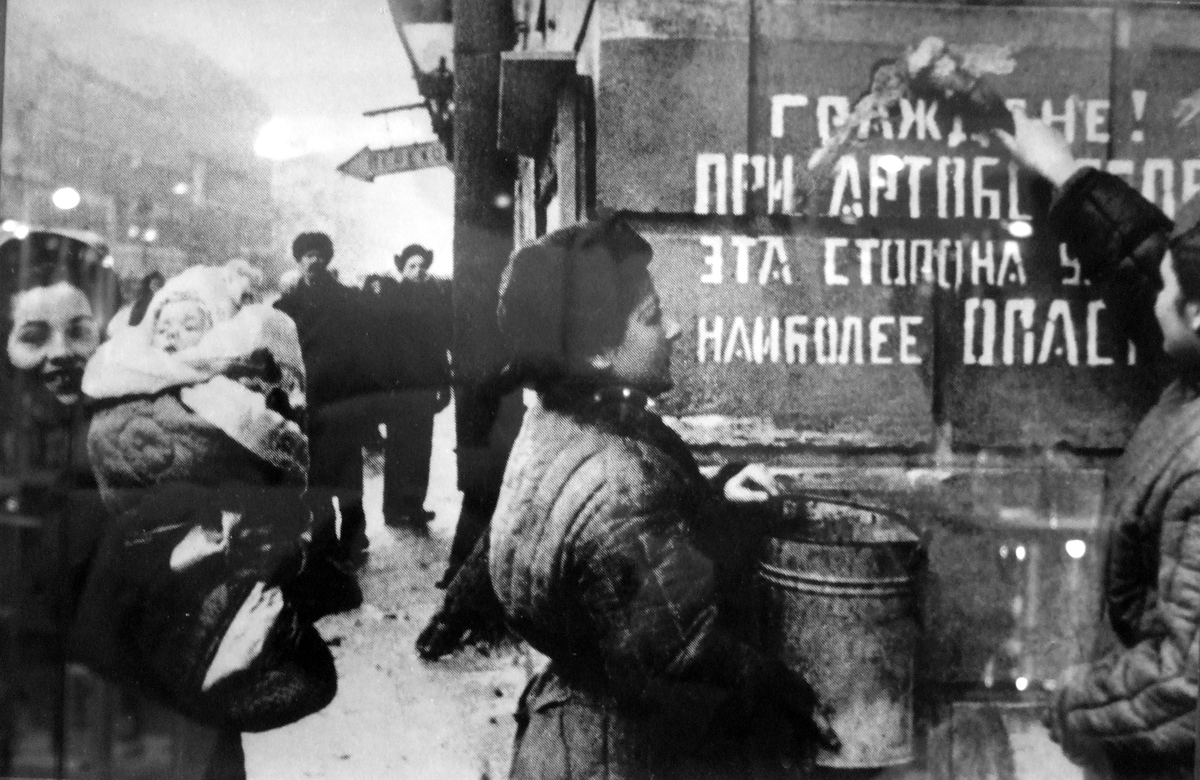
The Siege of Leningrad, lasting for 872 days, was a prolonged military blockade undertaken by German forces during World War II. The siege began in September and aimed to capture the city, which was a crucial industrial and cultural center for the Soviet Union. The German Army encircled Leningrad, cutting off supply routes and subjecting the city to relentless bombardment. The residents faced extreme hardships, with food supplies dwindling rapidly. The harsh winter conditions exacerbated the situation, leading to widespread starvation and disease. It is estimated that around 2 million people died as a result of the siege, with many succumbing to malnutrition and related illnesses. The Soviet defense of the city became a symbol of resilience and determination against the Axis powers. The eventual lifting of the siege marked a turning point in the Eastern Front, as Soviet forces began to regain territory and momentum against the Germans. This event not only had a profound impact on the course of the war but also on the morale of the Soviet populace, reinforcing their resolve to continue fighting against the invaders. The end of the siege allowed for the re-establishment of supply lines and the rebuilding of the city, which had suffered extensive damage during the blockade.
#mooflife
#MomentOfLife
#SiegeOfLeningrad
#WorldWarIi
#SovietUnion
#GermanForces
#EasternFront
Primary Reference
Siege of Leningrad

Explore the Life Moments of
 AI Twin