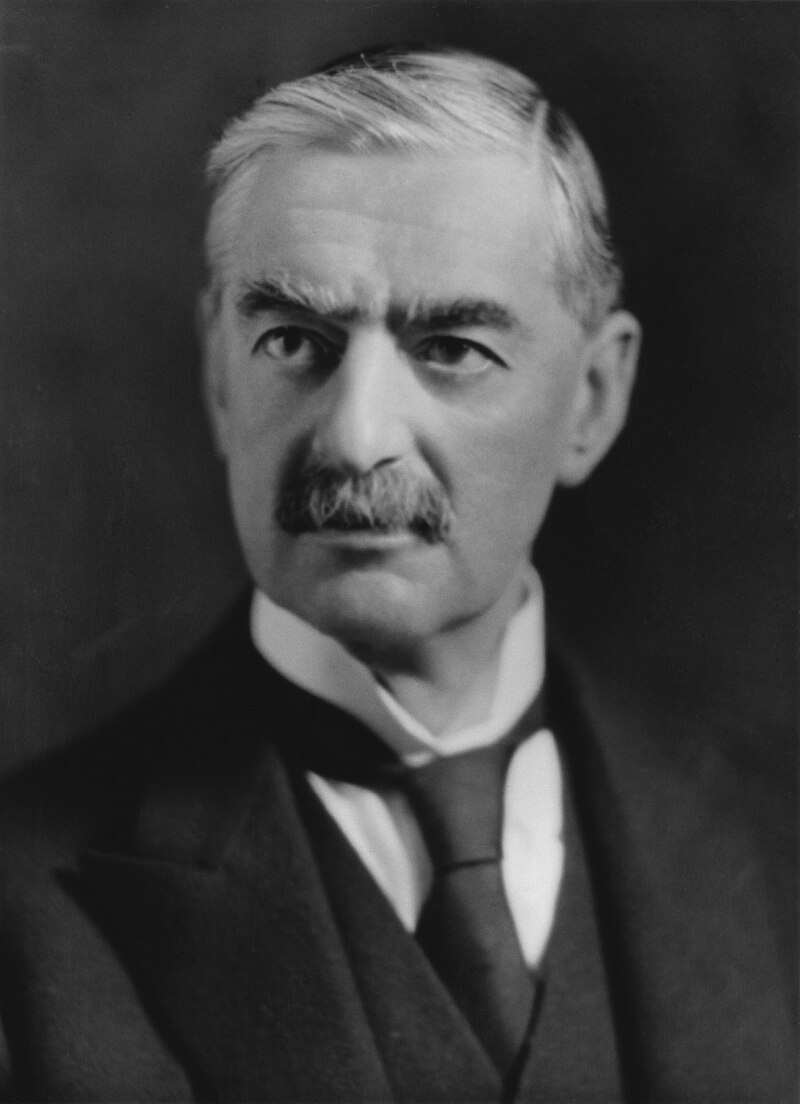
Chamberlain Survives Confidence Vote in Commons
Germany
'%3e%3cpath fill='%23012169' d='M0 0v30h60V0z'/%3e%3cpath stroke='%23fff' stroke-width='6' d='m0 0 60 30m0-30L0 30'/%3e%3cpath stroke='%23C8102E' stroke-width='4' d='m0 0 60 30m0-30L0 30' clip-path='url(%23b)'/%3e%3cpath stroke='%23fff' stroke-width='10' d='M30 0v30M0 15h60'/%3e%3cpath stroke='%23C8102E' stroke-width='6' d='M30 0v30M0 15h60'/%3e%3c/g%3e%3c/svg%3e)
Politics
4 min read
Updated By: History Editorial Network (HEN)
Published:
Updated:
Prime Minister Neville Chamberlain faced a critical confidence vote in the House of Commons, which he narrowly survived. This event occurred during a tumultuous period marked by escalating tensions in Europe and the onset of World War II. Chamberlain's leadership had been under scrutiny due to his policies of appeasement towards Nazi Germany, which many critics believed had emboldened Adolf Hitler's aggressive expansionist agenda. The confidence vote reflected the growing discontent among members of Parliament regarding Chamberlain's handling of the war and his ability to lead the nation effectively in the face of mounting threats. Despite the challenges, Chamberlain's survival of the vote allowed him to continue in office, albeit with diminished support and increasing pressure to adopt a more robust military strategy against Germany.
The impact of this confidence vote was significant as it underscored the divisions within the British government and the public's concern over the war effort. Following the vote, the situation in Europe deteriorated rapidly, with Germany launching invasions into France and the Benelux countries shortly thereafter. This escalation of conflict further strained Chamberlain's position, leading to calls for stronger leadership. Ultimately, the political landscape shifted, and Winston Churchill would soon take over as Prime Minister, marking a pivotal change in Britain's approach to the war. The confidence vote not only highlighted the precariousness of Chamberlain's leadership but also set the stage for a more aggressive British response to the Nazi threat.
#mooflife
#MomentOfLife
#Chamberlain
#ConfidenceVote
#HouseOfCommons
#WorldWarIi
#BritishPolitics
Primary Reference
Norway Debate

Explore the Life Moments of
 AI Twin