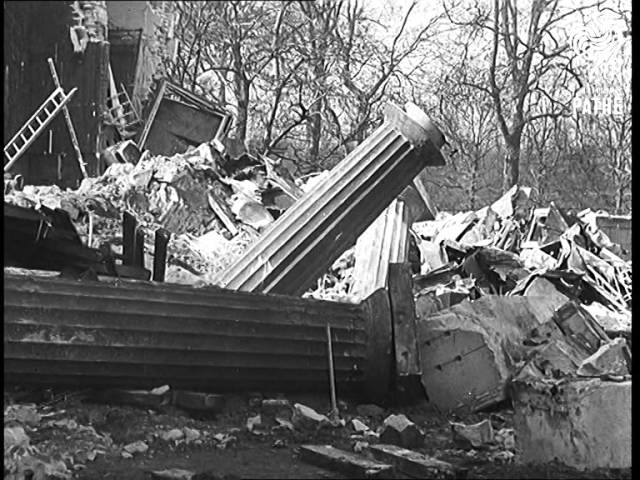
Buckingham Palace hit by bombing
Germany
'%3e%3cpath fill='%23012169' d='M0 0v30h60V0z'/%3e%3cpath stroke='%23fff' stroke-width='6' d='m0 0 60 30m0-30L0 30'/%3e%3cpath stroke='%23C8102E' stroke-width='4' d='m0 0 60 30m0-30L0 30' clip-path='url(%23b)'/%3e%3cpath stroke='%23fff' stroke-width='10' d='M30 0v30M0 15h60'/%3e%3cpath stroke='%23C8102E' stroke-width='6' d='M30 0v30M0 15h60'/%3e%3c/g%3e%3c/svg%3e)

News
World Events
Historical Events
4 min read
Updated By: History Editorial Network (HEN)
Published:
Updated:
Buckingham Palace, the official residence of the British monarch, was targeted during a series of bombings in London. This event marked a notable instance of the extensive aerial bombardment that London faced, particularly during the conflict. The bombing of Buckingham Palace was part of a broader campaign that included attacks on various significant landmarks and institutions in the city, such as the Old Bailey and the Guildhall, which suffered destruction or severe damage. The Royal Family's residence being bombed underscored the war's reach and the vulnerability of even the most iconic structures. The impact of this bombing was felt not only in terms of physical damage but also in the psychological effect it had on the British public. The resilience of the monarchy was tested, and the event served to galvanize public support for the war effort. The Royal Family's decision to remain in London during the bombings was a strategic move to bolster morale among citizens, demonstrating solidarity in the face of adversity. The incident highlighted the dangers faced by civilians and the importance of national unity during wartime. Statistics indicate that London experienced extensive bombing raids, with thousands of tons of explosives dropped on the city, leading to significant civilian casualties and widespread destruction. The bombing of Buckingham Palace became a symbol of the resilience of the British people and their determination to withstand the challenges posed by the conflict.
#mooflife
#MomentOfLife
#BuckinghamPalace
#LondonBombing
#WorldWarIi
#RoyalFamily
#BritishHistory

Explore the Life Moments of
 AI Twin