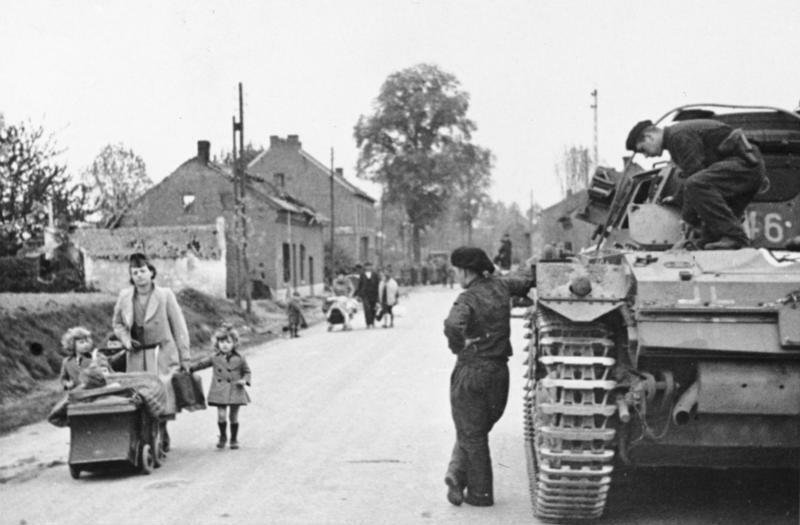
Belgium Surrenders to German Forces
Germany


World War II
Belgium
4 min read
Updated By: History Editorial Network (HEN)
Published:
Updated:
Belgium's surrender to German forces marked a pivotal moment in World War II, significantly impacting the course of the conflict in Europe. The surrender occurred after a rapid and intense military campaign by Germany, which utilized blitzkrieg tactics that combined air assaults and fast-moving ground troops. The Belgian army, despite its efforts to defend the nation, was overwhelmed by the German advance. King Leopold III of Belgium made the decision to surrender, which led to his internment. This act of capitulation not only resulted in the occupation of Belgium but also had broader implications for the Allied forces, particularly the British, who were forced to reassess their military strategies in the face of a formidable German offensive. The loss of Belgium was a strategic blow, as it provided Germany with a critical foothold for further operations in Western Europe, including the invasion of France.
The surrender of Belgium also had significant political ramifications. It raised questions about the effectiveness of the Allied response to the German threat and led to intense debates within the British government regarding the continuation of the war. Prime Minister Winston Churchill emerged as a key figure advocating for perseverance against Nazi Germany, despite the dire situation. The fall of Belgium was a catalyst for the British Cabinet to convene and discuss the future of the war effort, ultimately leading to a commitment to continue fighting. This decision would shape the Allied strategy in the months to come, as they sought to regroup and counter the German advances across Europe.
#mooflife
#MomentOfLife
#BelgiumSurrender
#GermanForces
#WorldWarIi
#KingLeopoldIii
#AlliedStrategy
Primary Reference
German invasion of Belgium (1940)

Explore the Life Moments of
 AI Twin