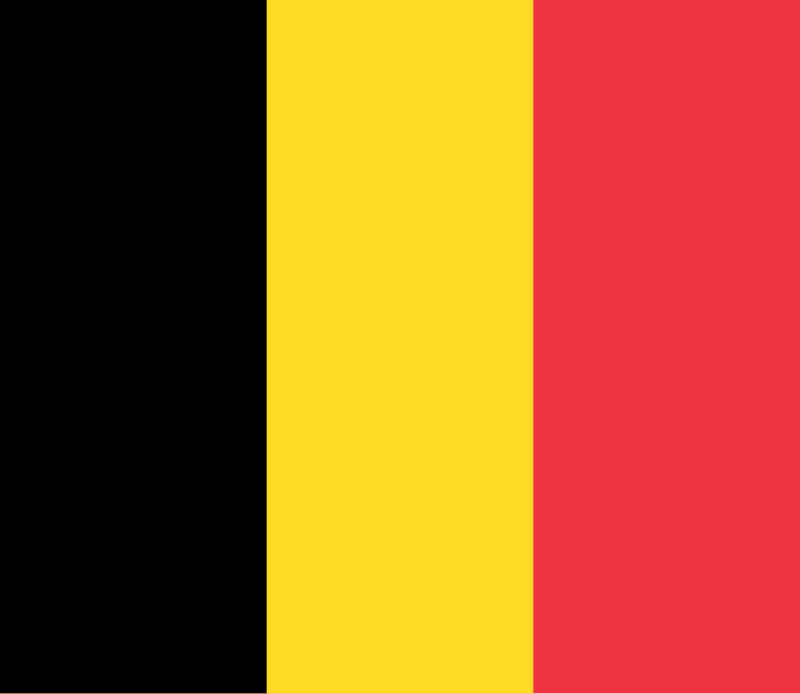
Belgium Declares Neutrality in Current Conflict
Germany
Politics
International Relations
Neutrality
4 min read
Updated By: History Editorial Network (HEN)
Published:
Updated:
Belgium's declaration of neutrality in the current conflict marked a pivotal moment in its foreign policy. Historically, Belgium had maintained a stance of neutrality since the 19th century, which was a cornerstone of its national identity. This policy aimed to protect the country from the devastating impacts of war, particularly given its geographical location between major European powers. The decision to reaffirm neutrality during the ongoing conflict was influenced by the desire to avoid the destruction and turmoil that had characterized previous wars in Europe. Belgium's strategic position made it a focal point for military strategies, and the government sought to ensure that it would not be drawn into hostilities that could threaten its sovereignty and safety.
The impact of this declaration was significant, as it underscored Belgium's commitment to remaining uninvolved in the conflict while also navigating the complex political landscape of Europe. The neutrality policy was not without its challenges, as it required careful diplomatic maneuvering to maintain relations with both warring factions. Belgium's decision was met with mixed reactions internationally, with some nations respecting its stance while others viewed it as a potential weakness. The declaration also had implications for Belgium's military preparedness and alliances, as the country needed to balance its defensive capabilities with its neutral status. Overall, Belgium's neutrality was a reflection of its historical context and a strategic choice aimed at preserving peace and stability within its borders.
#mooflife
#MomentOfLife
#Belgium
#Neutrality
#EuropeanConflict
#ForeignPolicy
#MilitaryStrategy
Primary Reference
List of timelines of World War II

Explore the Life Moments of
 AI Twin