Zimmermann Telegram: Intercepted German message shifts American sentiment towards entering World War I.
Germany
Political
4 min read
Updated By: History Editorial Network (HEN)
Published:
Updated:
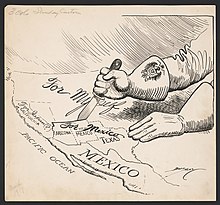
The Zimmermann Telegram was a pivotal moment during World War I when a secret communication from the German Empire proposing a military alliance with Mexico was intercepted by British intelligence. The telegram, sent by German Foreign Minister Arthur Zimmermann to the German Ambassador in Mexico, suggested that if the United States entered the war against Germany, then Mexico should ally with Germany. In return, Germany promised Mexico the territories of Texas, New Mexico, and Arizona upon a successful victory.
Once intercepted, British intelligence decrypted the message and realized the potential it had to sway the opinion of the then-neutral United States. They chose to share this information with the U.S. government, recognizing the impact it could have on American public opinion and policy.
When presented to U.S. President Woodrow Wilson, the revelation of Germany’s covert operations and attempts to incite conflict on American soil significantly shifted the political landscape. Public dissemination of the telegram's contents caused a wave of nationalist sentiment and alarm among the American populace. The exposure of the Zimmermann Telegram played a crucial role in galvanizing public opinion in favor of the Allied Powers. This contributed directly to the United States declaring war against Germany, marking its formal entry into World War I.
From a strategic standpoint, the British had effectively leveraged intelligence gathering to influence geopolitical outcomes, while Germany’s miscalculated proposal exacerbated its isolation and opposition. Analysts and historians often cite the Zimmermann Telegram as an exemplar of the intricate interplay between intelligence, diplomacy, and public opinion during wartime.
#WorldWarI #History #USHistory #ZimmermannTelegram #MoofLife
Primary Reference
Zimmermann Telegram (1917) | National Archives
Explore the Life Moments of
 AI Twin