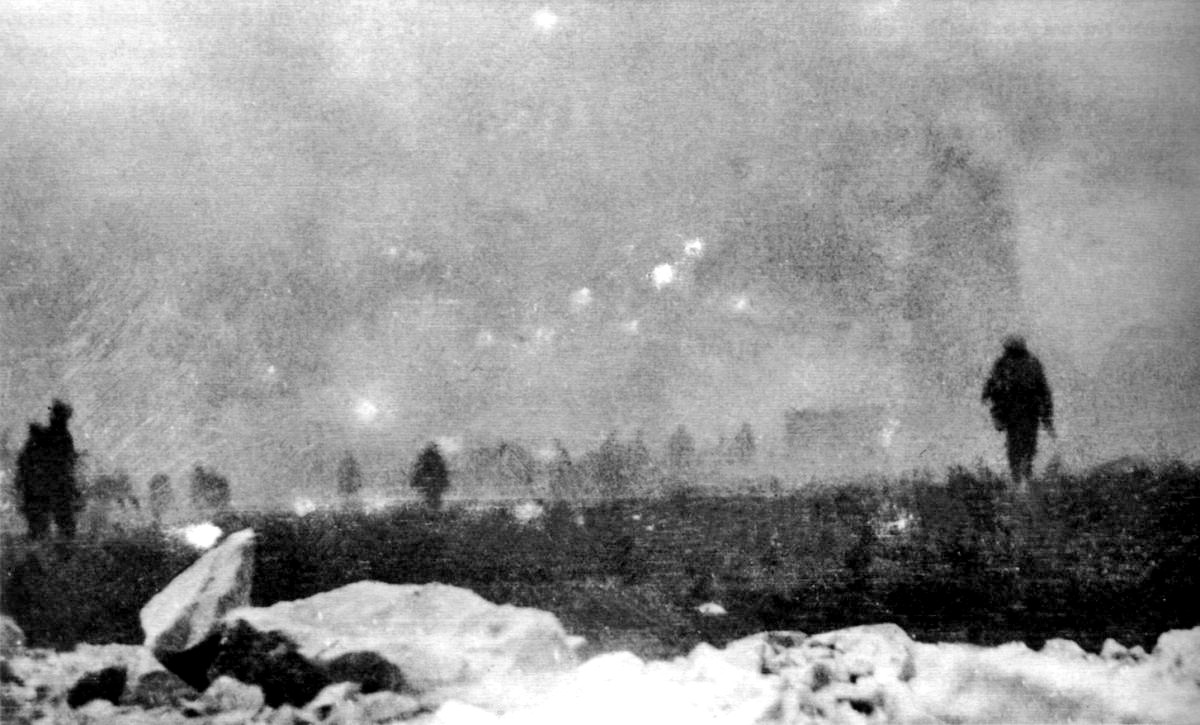
Battle of Loos: British offensive with poison gas sees limited success and heavy casualties.
Germany
Warfare
5 min read
Updated By: History Editorial Network (HEN)
Published:
The Battle of Loos marked a pivotal point in World War I as the British forces launched their first large-scale offensive on the Western Front. As part of the broader Allied strategy to mobilize and apply pressure against the Central Powers, British command aimed to break through German defenses and secure a decisive victory. This battle was notable for the introduction of poison gas by the British, a tactic aimed at weakening the German troops and causing disruption in their ranks.
On the day of the offensive, British forces deployed approximately 140 tons of chlorine gas along a 6.5-mile front. The intention was to create a breakthrough that could be exploited by infantry and cavalry units. Despite extensive preparations, several factors undermined the effectiveness of the gas, including shifting winds which caused the gas to drift back into British lines, leading to chaos and casualties among their own troops.
The offensive was launched with six British divisions attacking against fortified German positions. Initial progress was slow, with British forces encountering fierce resistance. Heavy machine gun fire and well-prepared German defenses caused significant British casualties. Over the course of the battle, British and Allied forces experienced over 60,000 casualties, with a substantial number resulting from the unsuccessful use of poison gas and subsequent fighting.
The Battle of Loos demonstrated the brutality and challenges of trench warfare that characterized World War I. The high casualties and limited territorial gains reflected the difficulties commanders faced in breaking through enemy lines on the Western Front. This battle further underscored the devastating human cost of the conflict and the evolving nature of warfare, including the controversial introduction of chemical weapons.
Military analysts and historians have since studied the Battle of Loos for its strategic miscalculations and the broader implications it had on future tactics and military planning. The battle's legacy is marked by its heavy loss of life and the grim reality of modern industrialized warfare.
#BattleOfLoos #WesternFront #FirstWorldWar #WartimeStrategy #MilitaryHistory #MoofLife
Primary Reference
Weapons of the Western Front | National Army Museum
Explore the Life Moments of
 AI Twin