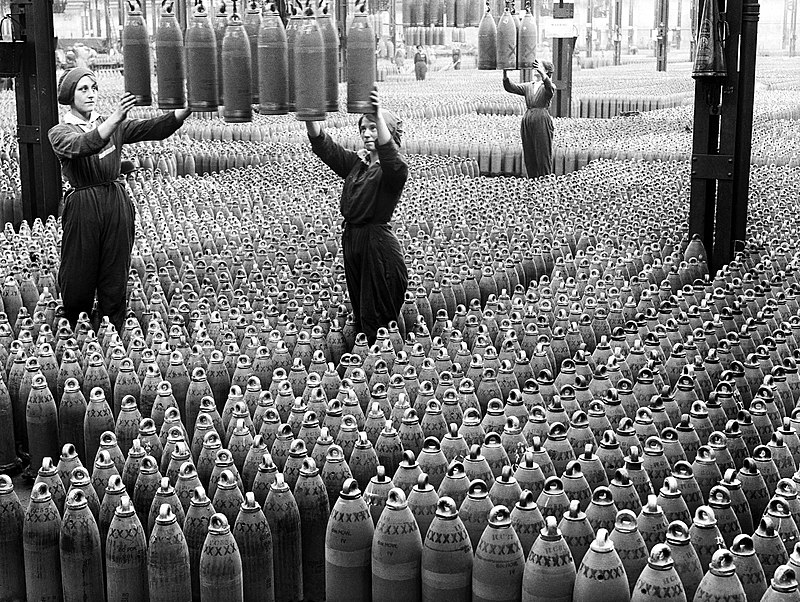
Women’s Army Auxiliary Corps (WAAC): Pioneering roles in British military during World War I.
Germany
Political
Women's Rights
4 min read
Updated By: History Editorial Network (HEN)
Published:
Updated:
The British government established the Women’s Army Auxiliary Corps (WAAC), introducing the first official roles for British women in the military to support the war effort. This development came during World War I, a period that saw significant shifts in societal roles due to the demands of the conflict. Before this, women primarily contributed to the war effort through nursing and voluntary roles. However, with the formation of the WAAC, women were given the opportunity to serve in various capacities including clerical work, cooking, and mechanical roles, providing crucial support to the front lines.
This initiative marked a pivotal change in military structures, as women taking on such roles allowed more men to be available for combat positions. The establishment of the WAAC reflected both the urgent needs of the war and the evolving perception of women's capabilities and contributions. By 1918, over 57,000 women had enlisted in the WAAC, a testament to the significant impact and acceptance of this program.
The WAAC was divided into sections for administrative, mechanical, and domestic tasks, each playing a critical role in maintaining the efficiency and effectiveness of military operations. This not only underscored the importance of support roles in a comprehensive war strategy but also laid the groundwork for future integration of women into the armed forces.
The success of the WAAC influenced subsequent military policies and attitudes towards women in service, contributing to the gradual expansion of opportunities for women in the military. This move was an important step in redefining gender roles within British society and the workforce during a time of great need.
#WomenInMilitary #WWI #BritishArmy #WAAC #MilitaryHistory #MoofLife
Primary Reference
Women in the Army | The United States Army
Explore the Life Moments of
 AI Twin