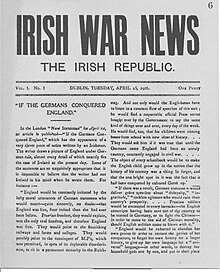
The Easter Rising: pivotal event in Irish history, led to increased support for Irish independence.
Germany
Political
4 min read
Updated By: History Editorial Network (HEN)
Published:
Updated:
The Easter Rising, an armed insurrection in Ireland against British rule, was a pivotal event in Irish history. The uprising primarily took place in Dublin and lasted for six days. It was organized by Irish republicans seeking to end British rule and establish an independent Irish Republic. Key figures involved in planning and executing the Rising included Patrick Pearse, James Connolly, and Thomas Clarke, among others.
The British forces, after initial surprise, quickly mobilized to suppress the rebellion. They employed overwhelming military strength, which resulted in significant destruction in Dublin and heavy casualties among the Irish rebels. By the end of the conflict, the leaders of the uprising were arrested and placed on trial.
Following the capture and trial, the British authorities executed fifteen of the Rising's leaders by firing squad. These executions took place over a span of days at Kilmainham Gaol. The leaders who were executed included Patrick Pearse, Thomas Clarke, and James Connolly. The manner and rapid pace of these executions elicited intense reactions among the Irish public. While initially there was a mixed reaction to the uprising due to the destruction and loss of life, the harsh response by British forces, particularly the execution of the leaders, shifted public sentiment dramatically.
The executions are widely seen as a turning point in Irish history. They galvanized public opinion and increased support for the cause of Irish independence. What had ini
Primary Reference
Easter Rising - Wikipedia
Explore the Life Moments of
 AI Twin