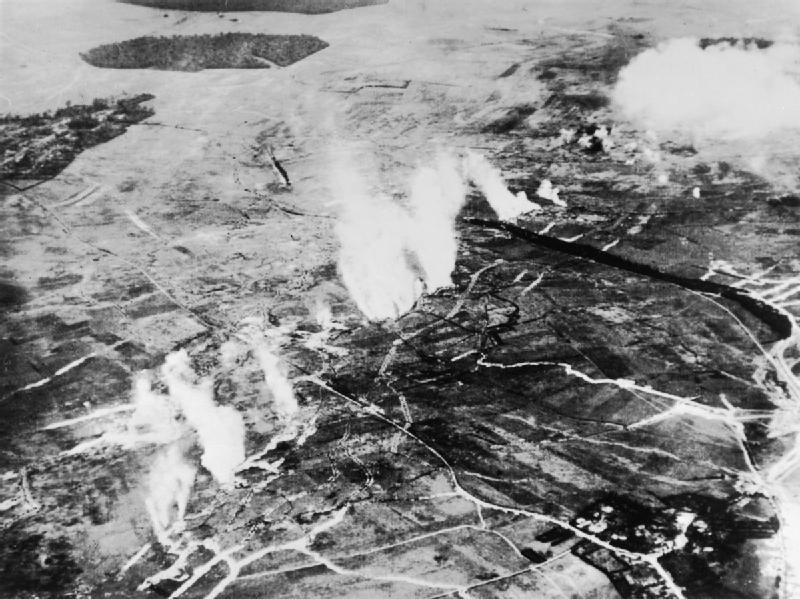
The Battle of the Somme: Brutal trench warfare, high casualties, strategic impact, technological advancements.
Germany
Military War
3 min read
Updated By: History Editorial Network (HEN)
Published:
Updated:
The Battle of the Somme commenced on the Western Front with British and French forces launching a major offensive against German positions. It marked one of the largest battles of World War I, aiming to break the deadlock of trench warfare. The initial bombardment by the Allies, intended to destroy the German defenses, lasted for seven days prior to the ground attack.
On the first day, the British forces faced catastrophic losses, with around 57,470 casualties, including 19,240 killed, marking it as one of the bloodiest days in British military history. Despite the extended artillery preparation, the German defenses remained intact, causing severe challenges for advancing troops who encountered barbed wire, machine-gun fire, and heavy artillery.
The battle continued over several months with grueling infantry assaults, artillery barrages, and minimal territorial gains. It represented a shift in warfare, highlighting the devastating power of modern weaponry and the grim realities of trench combat. Both sides suffered severe casualties, with combined estimates reaching over a million men by its conclusion.
The Somme offensive, despite its high cost, played a strategic role in exhausting the German forces and resources. It also fostered the development of new tactics and military technology. Tanks were used for the first time in larger numbers, signaling a change in battlefield strategy.
#MoofLife #WWI #Battles #MilitaryHistory #WesternFront
Primary Reference
Battle of the Somme | National Army Museum

Explore the Life Moments of
 AI Twin