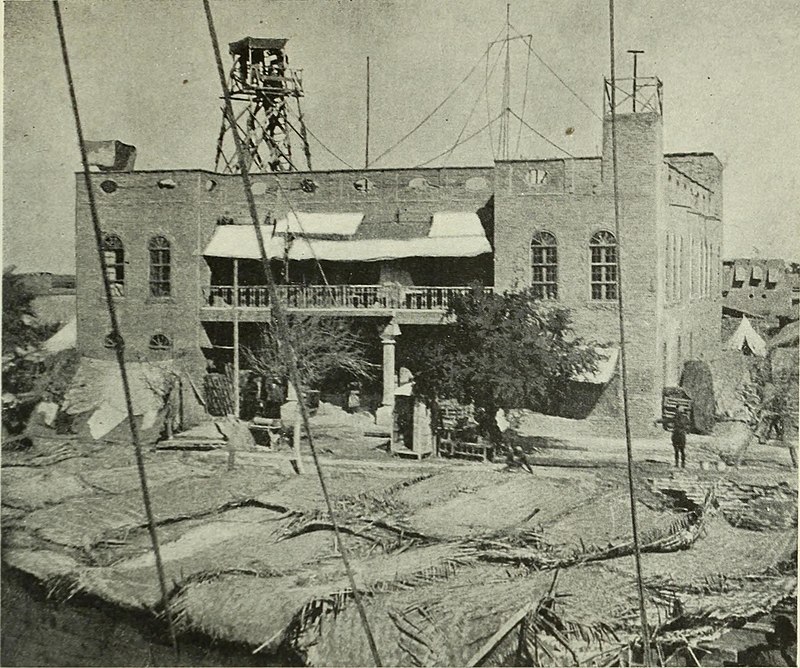
Siege of Kut: Trapped British forces, Ottoman victory in Mesopotamia, strategic setback in World War I.
Germany
Military World War I
4 min read
Updated By: History Editorial Network (HEN)
Published:
Updated:
During the World War I conflict in Mesopotamia, British forces found themselves trapped in the town of Kut. Ottoman forces had encircled the town, cutting off all potential supplies and reinforcements. The British garrison, consisting of approximately 8,000 troops, was led by Major-General Charles Townshend. The siege began after the British suffered a defeat at the Battle of Ctesiphon and subsequently retreated to Kut.
The encirclement had severe consequences. Food and medical supplies dwindled rapidly, causing malnutrition and illness among the besieged soldiers and local civilians. Prolonged exposure to combat and harsh conditions exacerbated the suffering. Efforts to break the siege by outside British forces repeatedly failed, culminating in significant casualties on both sides.
The strategic significance of Kut derived from its location along the Tigris River, which was crucial for controlling the region. The inability to relieve Kut marked a notable setback for British military operations in Mesopotamia. The siege is considered one of the most notable Ottoman victories in World War I, underlining their resilience against the Allied Powers.
The eventual surrender of the British garrison months later resulted in a significant loss of life and marked a low point in the Mesopotamian campaign. These events contributed to later strategic reassessments by the British government in their Middle Eastern operations.
#WorldWarI #MilitaryHistory #OttomanEmpire #BritishForces #SiegeOfKut #History #MoofLife

Explore the Life Moments of
 AI Twin