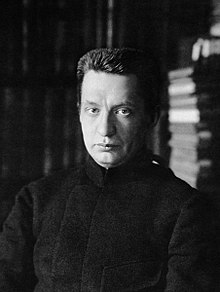
Russian Provisional Government declares republic amidst revolutionary pressures. Transition from monarchy to Soviet Russia.
Germany
Political
3 min read
Updated By: History Editorial Network (HEN)
Published:
Updated:
The Russian Provisional Government, under the leadership of Alexander Kerensky, formally declared Russia a republic. This move aimed to garner support amidst escalating revolutionary pressures. At the time, Russia was experiencing significant political and social turmoil, exacerbated by its involvement in World War I and the February Revolution, which had led to the abdication of Tsar Nicholas II.
With the original monarchical structure dismantled, the Provisional Government faced growing demands from various factions, including workers, soldiers, and peasants, who were increasingly influenced by the Bolsheviks and other socialist groups. The declaration of a republic was a strategic effort to stabilize the nation and maintain authority, particularly as the Provisional Government grappled with issues like ongoing warfare, economic instability, and the challenge of land reforms.
Despite the declaration, the Provisional Government was unable to consolidate control. Revolutionary fervor persisted, ultimately contributing to the Bolshevik Revolution later that year, which marked a critical turning point. The declaration of a republic represents a notable moment in the transition from the Russian Empire to Soviet Russia, illustrating the complex dynamics of governmental power, popular unrest, and the broader impacts of World War I.
#RussianRevolution #AlexanderKerensky #WorldWarI #MoofLife
Primary Reference
Russia: Origin and consequences of the debt repudiation of ...

Explore the Life Moments of
 AI Twin