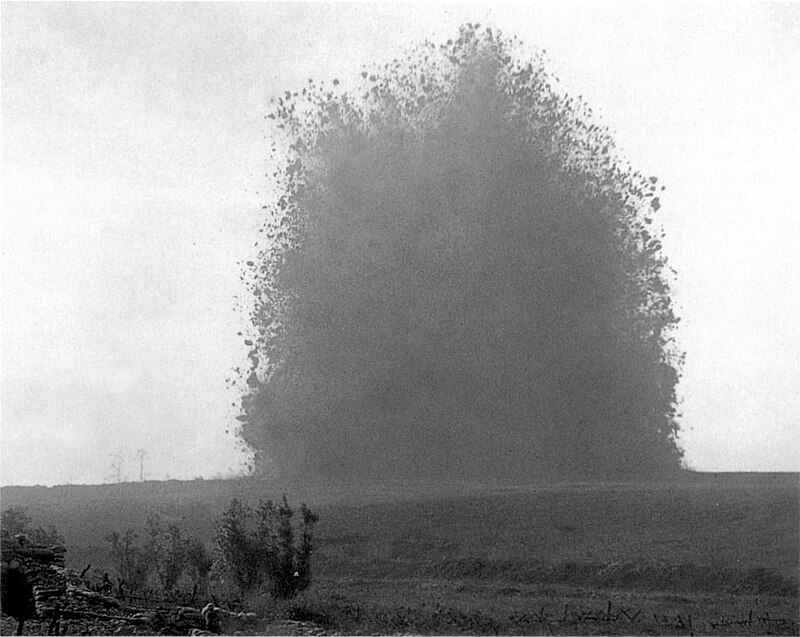
Preliminary artillery bombardment sets stage for grim Battle of the Somme.
Germany
Military
4 min read
Updated By: History Editorial Network (HEN)
Published:
Updated:
In preparation for the Battle of the Somme, British forces initiated a preliminary bombardment. This strategic artillery attack was intended to weaken German defenses along the Western Front. The objective was to destroy enemy trenches, barbed wire, and artillery positions, making it easier for advancing infantry. Over 1.5 million shells were fired during this intensive shelling period.
The bombardment aimed to pave the way for the infantry assault, which marked the beginning of one of World War I's largest and deadliest battles. The hopes were high that the artillery barrage would decimate German fortifications. However, many of the shells failed to explode, and the subsequent infantry attack faced strong resistance. The effectiveness of the preliminary bombardment varied, with some sections of the front line remaining largely intact.
As the artillery fire ceased, British and French forces launched a massive offensive. On the first day, British troops suffered approximately 57,000 casualties, including around 19,000 killed. This day became known for its unprecedented loss of life and illustrated the brutal reality of trench warfare.
The Battle of the Somme continued for several months, resulting in over one million men being wounded or killed from both sides. While initially intended to bring a breakthrough, the battle primarily led to a war of attrition with little strategic gain.
The impact of this bombardment and subsequent battle had a profound effect on military tactics and public perception of the war. The enormous loss of life underscored the futility and devastation of large-scale offensives in trench warfare.
#WorldWarI #WWI #WesternFront #BattleoftheSomme #Artillery #TrenchWarfare #MilitaryHistory #HistoricalEvent #MoofLife
Primary Reference
Battle of the Somme | National Army Museum

Explore the Life Moments of
 AI Twin