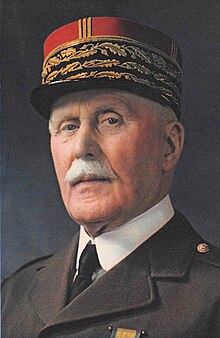
Marshal Philippe Pétain's Reforms During French Mutinies in WWI
Germany
Political
4 min read
Updated By: History Editorial Network (HEN)
Published:
Updated:
In the midst of World War I, the French army was experiencing severe unrest, characterized by widespread mutinies among its ranks. The soldiers, exhausted and demoralized by the continuous and brutal trench warfare, began refusing to participate in further offensives. This insubordination threatened the stability and effectiveness of the French military operations.
The situation demanded decisive leadership. To address this critical challenge, the French government appointed Marshal Philippe Pétain as the new commander-in-chief of the French army. Known for his competent command during the Battle of Verdun, Pétain was seen as a figure capable of restoring discipline and boosting the morale of the troops.
Upon assuming his new role, Pétain implemented a series of strategic and humane reforms. He improved living conditions for soldiers, allowing more frequent rotations away from the front lines, and ensured better access to food and medical care. Additionally, Pétain adopted a more cautious approach to military engagements, avoiding unnecessary and costly offensives. These measures contributed significantly to restoring order within the ranks and rejuvenating the spirits of the French soldiers.
Pétain's leadership during this period was crucial in stabilizing the French army, enabling it to continue participating effectively in the broader conflict of World War I. His actions helped to preserve the integrity of the French military force, ensuring that it remained a formidable component of the Allied powers.
#MoofLife, #WorldWarI, #MilitaryLeadership, #FrenchArmy, #PhilippePetain
Explore the Life Moments of
 AI Twin