Italy Joins Allies in WWI, Seeking Territorial Expansion and Influence
Germany
Political
Military
4 min read
Updated By: History Editorial Network (HEN)
Published:
Updated:
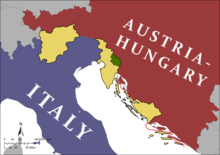
Italy officially entered World War I on the side of the Allies, declaring war on Austria-Hungary as per the Treaty of London. The agreement promised Italy territorial gains, including regions such as Trentino, South Tyrol, and Istria, if the Allies won the war.
Before this, Italy was part of the Triple Alliance with Germany and Austria-Hungary but remained neutral at the war's outset. The leaders seized the opportunity to join the Allies, seeking to expand their territory and assert their influence. This decision was influenced by secret negotiations with Britain, France, and Russia.
Italy's declaration involved mobilizing over a million troops. The nation faced numerous military engagements along its northern borders. The move also strained Italy’s economy and resulted in heightened political tension within the country.
The decision had far-reaching impacts on the war, with Italy's entry opening a new front against the Central Powers. This Italian Front saw significant battles, including the Battle of Caporetto and the Battle of Vittorio Veneto. These conflicts affected military strategies on both sides, requiring the Central Powers to divert resources and troops.
The addition of Italy to the Allied forces also boosted the morale of the Entente Powers. However, the territorial gains promised to Italy led to post-war disputes, notably around the Adriatic region. The Treaty of London became a contentious point when the Treaty of Versailles negotiations began.
Italy’s participation in World War I marked a critical shift in the geopolitical landscape of Europe, demonstrating the complexities of wartime alliances and territorial ambitions.
#ItalyInWWI #WarDeclarations #AlliedForces #TreatyOfLondon #TerritorialGains #MilitaryHistory #WWI #MoofLife
Primary Reference
Italian entry into World War I - Wikipedia

Explore the Life Moments of
 AI Twin