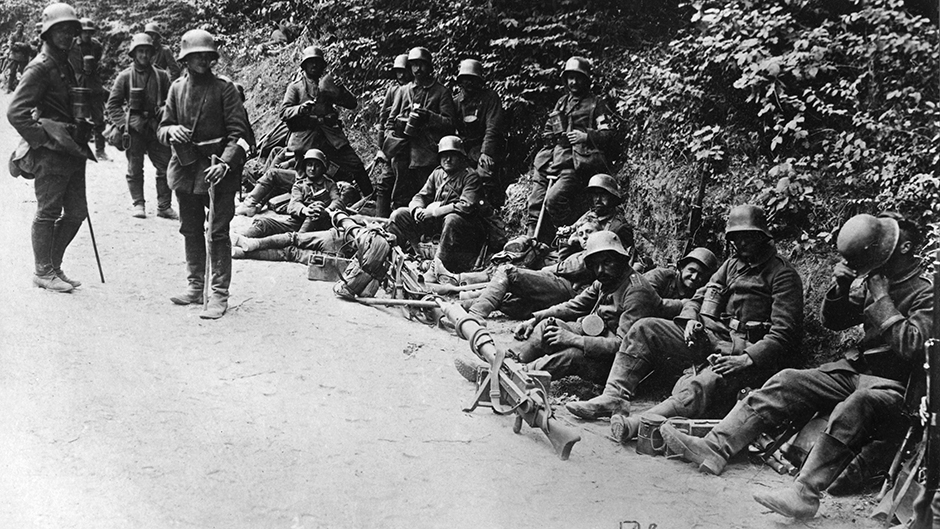
Italian Army Stabilizes Front at Piave River, Turning Point in WWI Conflict
Germany
Political
Military
4 min read
Updated By: History Editorial Network (HEN)
Published:
Updated:
Following the defeat at Caporetto, the Italian Army managed to stabilize its front along the Piave River. This reorganization effort was critical for halting the Central Powers' advances. The Italian forces, heavily hit by the previous defeat, were in disarray. Troops had been pushed back over 100 kilometers, causing significant losses in both personnel and equipment.
New leadership emerged to steer the recovery. General Armando Diaz replaced General Luigi Cadorna, marking a significant shift in strategic and tactical approaches. Diaz focused on improving morale, fortifying defenses, and tightening coordination among units. The Piave River provided a natural defensive line, crucial for reorganized Italian forces to mount a determined stand.
The stabilization along the Piave allowed the Italians to regroup and bolster their strength, with the support of Allied reinforcements, including French and British troops. This period marked a turning point, preventing Central Powers from capitalizing on their earlier success and advancing further into Italian territory.
Analyses attribute this stabilization to several factors, including terrain advantages, reformed command structures, and improved supply lines. This phase of the conflict also witnessed increased artillery and infantry reinforcements, enhancing the overall combat capability of the Italian Army.
This reorganization held significant strategic importance, maintaining Italy's position in the war and bolstering the Western Front's overall resistance. The defensive efforts along the Piave played a crucial role in limiting Central Powers' gains and setting the stage for future Allied counteroffensives.
#WorldWarI #ItalianArmy #PiaveRiver #ArmandoDiaz #CentralPowers #DefensiveLine #MilitaryHistory #MoofLife
Primary Reference
Italian Front
Explore the Life Moments of
 AI Twin