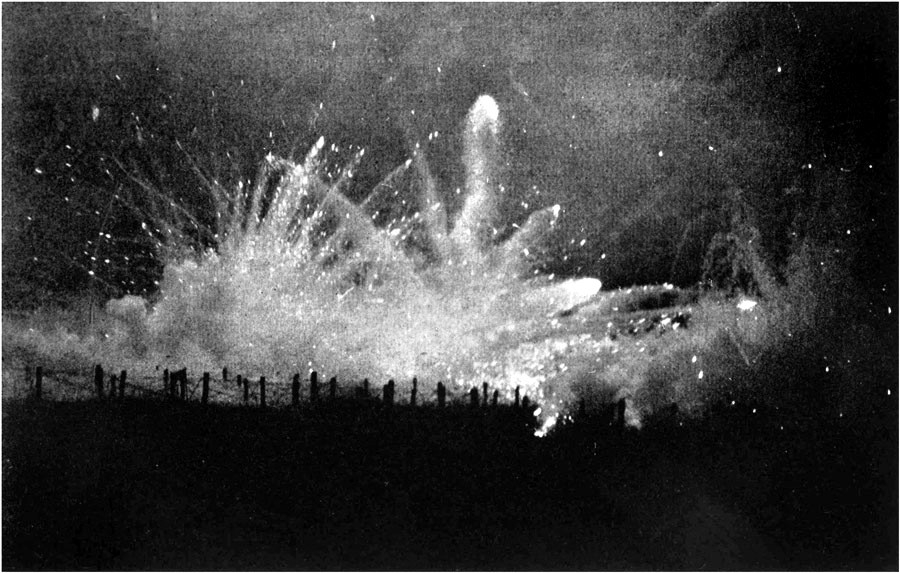
Innovative Creeping Barrage Changes WWI Combat on Western Front
Germany
Military
Innovation
4 min read
Updated By: History Editorial Network (HEN)
Published:
Updated:
During the early stages of World War I, trench warfare had become entrenched along the Western Front. Traditional artillery tactics proved inadequate in breaking the stalemate. British military leadership sought innovative methods to support their infantry in crossing no-man's land and capturing enemy positions.
Their innovation came in the form of the "creeping barrage". This tactic involved a continuous, coordinated artillery bombardment that moved forward in stages just ahead of the advancing infantry. The artillery fire would "creep" forward at a set pace, ideally timed to keep enemy forces suppressed and disrupted, while minimizing the risk to their own advancing troops.
The first significant use of the creeping barrage technique witnessed British forces effectively advancing with artillery support that maintained pressure on enemy defenses. The tactic required precise coordination between artillery units and infantry, demanding advancements in communication and timing.
The introduction of creeping barrages changed the nature of combat on the Western Front. Previously, infantry assaults often suffered heavy casualties due to the gap between the bombardment end and the advance start. The new tactic significantly reduced these gaps, providing close support and increased protection to their troops.
The employment of creeping barrages by the British showcased a shift towards more integrated and dynamic operations. This method initially brought mixed results due to the need for rigorous training and coordination, but it marked an evolution in military strategy, emphasizing the importance of combined arms tactics.
#MoofLife #WorldWarI #ArtilleryTactics #MilitaryInnovation
Primary Reference
Weapons of the Western Front | National Army Museum

Explore the Life Moments of
 AI Twin