Germany's Unrestricted Submarine Warfare in World War I: Risky strategy with potential implications.
Germany
Political
Global Trade
5 min read
Updated By: History Editorial Network (HEN)
Published:
Updated:
In the midst of World War I, Germany made a critical strategic decision to resume unrestricted submarine warfare. This move aimed at severing Allied supply lines, which were crucial for the war effort. The strategy involved German U-boats targeting and sinking ships without warning in the designated war zone around the British Isles. This included merchant and passenger ships, irrespective of their national origin. The implications of this decision were substantial, particularly in its potential to provoke the United States into joining the conflict.
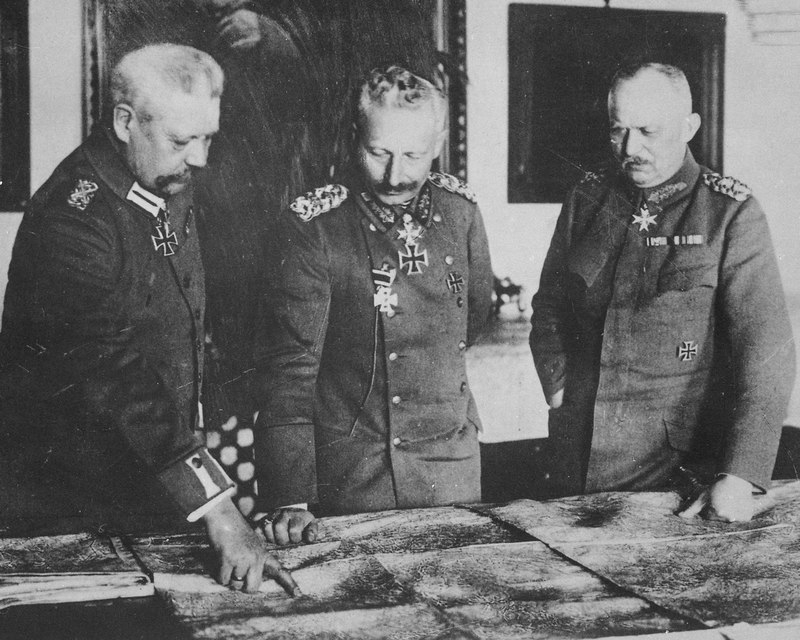
Germany’s military high command believed that by cutting off supplies to Britain and its allies, they could force a quicker end to the war in their favor. The rationale was grounded in the effectiveness of their U-boat campaign earlier in the war, which had significantly disrupted Allied maritime logistics. However, this aggressive tactic came with considerable risks, notably the possibility of antagonizing neutral countries, especially the United States, which had maintained a stance of neutrality but was heavily inclined towards the Allies in terms of trade and public sentiment.
The immediate effect was felt on the seas as German submarines began targeting ships with renewed intensity. This period saw a dramatic increase in shipping losses, inflicting severe damage to the Allied supply lines. The German High Command estimated that their U-boat campaign could sink 600,000 tons of Allied shipping monthly. Their intention was to starve Britain into submission before American intervention could turn the tides of the war.
However, the campaign also led to the sinking of several American vessels and loss of American lives, which intensified public outrage in the United States. This development severely strained diplomatic relations and was a major contributing factor to the United States' eventual decision to enter the war against Germany. The gamble ultimately backfired for Germany, as U.S. involvement brought fresh troops and resources to the beleaguered Allies, tipping the balance of power in their favor.
#UnrestrictedSubmarineWarfare #WWI #GermanStrategy #USIntervention #UBoatCampaign #AlliedSupplyLines #NavalWarfare #MoofLife
Primary Reference
United States Navy and World War I: 1914–1922

Explore the Life Moments of
 AI Twin