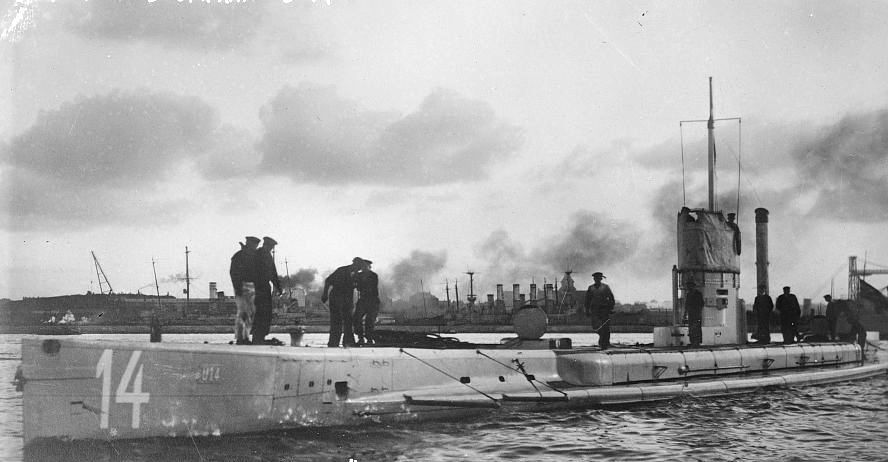
Germany Halts Unrestricted Submarine Warfare Amid Diplomatic Pressure from Neutral Countries.
Germany
Political
Global Trade
4 min read
Updated By: History Editorial Network (HEN)
Published:
Germany paused its policy of unrestricted submarine warfare due to diplomatic pressure from neutral countries, including the United States. This decision came against the backdrop of growing tension during World War I, as unrestricted submarine warfare had led to the sinking of neutral and civilian vessels, raising international concerns.
The pivotal incident that contributed to this halt was the sinking of the RMS Lusitania in the previous months, resulting in the deaths of 1,198 passengers, including 128 Americans. The attack on the Lusitania caused outrage in the United States and intensified calls for Germany to change its naval strategy. This pressure was part of the broader diplomatic efforts led by U.S. President Woodrow Wilson, who sought to maintain neutrality while advocating for the protection of American lives and interests.
Germany's temporary cessation of unrestricted submarine warfare was significant as it aimed to appease the United States and avoid further escalating tensions that could draw the neutral power into the conflict. Diplomatic communications entailed assurances to restrict naval engagements to military targets, avoiding non-combatant shipping.
This pause had immediate and notable impacts on maritime warfare strategies. Germany's naval commanders had to adapt to new rules of engagement, leading to a temporary reduction in the disruption of Allied supply lines. However, this change in strategy was short-lived, as Germany eventually resumed unrestricted submarine warfare, which had broader implications for the war, contributing to the United States' eventual entry into the conflict.
#WorldWarI #SubmarineWarfare #Diplomacy #USandGermany #MaritimeStrategy #MoofLife
Primary Reference
Germany resumes unrestricted submarine warfare | February 1 ...

Explore the Life Moments of
 AI Twin