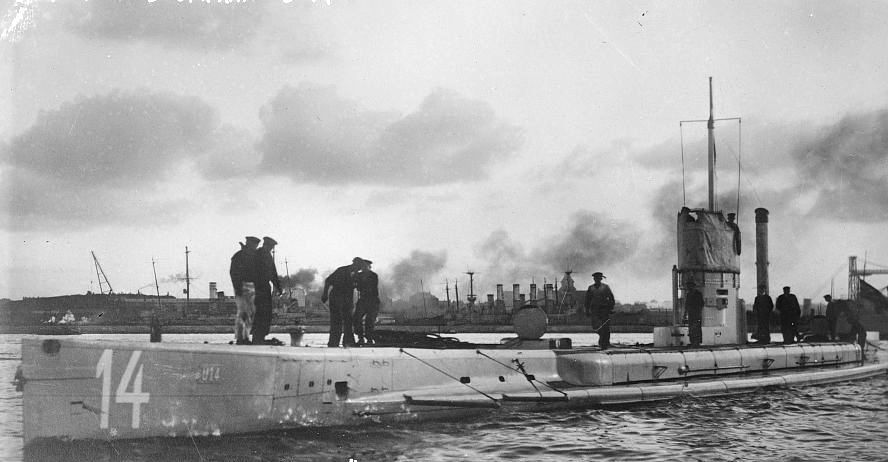
German U-Boats' Unrestricted Submarine Warfare in WWI strained relations with neutral nations, impacted public opinion.
Germany
Political
5 min read
Updated By: History Editorial Network (HEN)
Published:
Updated:
The German U-boats engaged in unrestricted submarine warfare, targeting both Allied and neutral merchant ships, intensifying tensions with neutral countries. This tactic emerged during World War I as part of Germany's naval strategy to cut off supplies to the Allies. The German Navy aimed to weaken the British blockade and diminish the strength of the Allied powers.
Germany's decision to adopt unrestricted submarine warfare involved sinking ships without warning, contravening international law and traditional naval rules of engagement. The strategy included the attack on merchant ships from neutral countries, which exacerbated diplomatic tensions. Neutral nations, whose ships were often victims, protested against these aggressive acts, straining their relations with Germany.
Several incidents underscored the impact of this strategy. Notable was the sinking of the RMS Lusitania by a German U-boat, which resulted in the deaths of 1,198 civilians, including 128 Americans. Such events stirred public outrage and pushed previously neutral countries to reconsider their positions. The United States, in particular, began to shift its stance from neutrality towards supporting the Allies. The unrestricted attacks endangered free trade and threatened the lives of civilians, leading to international condemnation.
Statistics from this period reveal the intensity of the campaign. German U-boats sank hundreds of ships, resulting in significant loss of life and resources. By the end of the campaign, an estimated 5,000 ships had been targeted. The total tonnage of sunk vessels disrupted supply chains, contributing to shortages in Allied nations and creating dire consequences for their war efforts.
The strategic aim of the German Navy was to impose a stranglehold on the Allied supply lines, yet these actions backfired diplomatically. The incidents of unrestricted warfare played a crucial role in altering the course of World War I, influencing the eventual involvement of additional countries on the side of the Allies. The policy of unrestricted submarine warfare remains a prominent example of how military tactics can have far-reaching consequences beyond the immediate battlefield.
#WorldWarI #GermanNavy #UnrestrictedSubmarineWarfare #MoofLife #HistoricalImpact #MaritimeStrategy #NeutralCountries
Primary Reference
American Entry into World War I, 1917

Explore the Life Moments of
 AI Twin