German retreat at Battle of the Marne shapes World War I strategies, leads to trench warfare.
Germany
Military
4 min read
Updated By: History Editorial Network (HEN)
Published:
Updated:
During the early phases of World War I, German Chief of Staff Helmuth von Moltke issued orders for a significant military retreat. This strategic decision played a crucial role in shaping the course of the conflict. The German forces had advanced into France as part of the Schlieffen Plan, an ambitious strategy aimed at a swift victory. The Battle of the Marne, however, marked a critical turning point. The Allied forces, comprising mainly French and British troops, managed to halt the German advance.
Facing fierce resistance and counterattacks from the Allies, Moltke realized the untenability of his army's position. Recognizing the exhaustion and logistical challenges facing his troops, he ordered a retreat from the Marne. This withdrawal marked the end of Germany's hopes for a quick defeat of France and forced the German military to adopt more defensive positions.
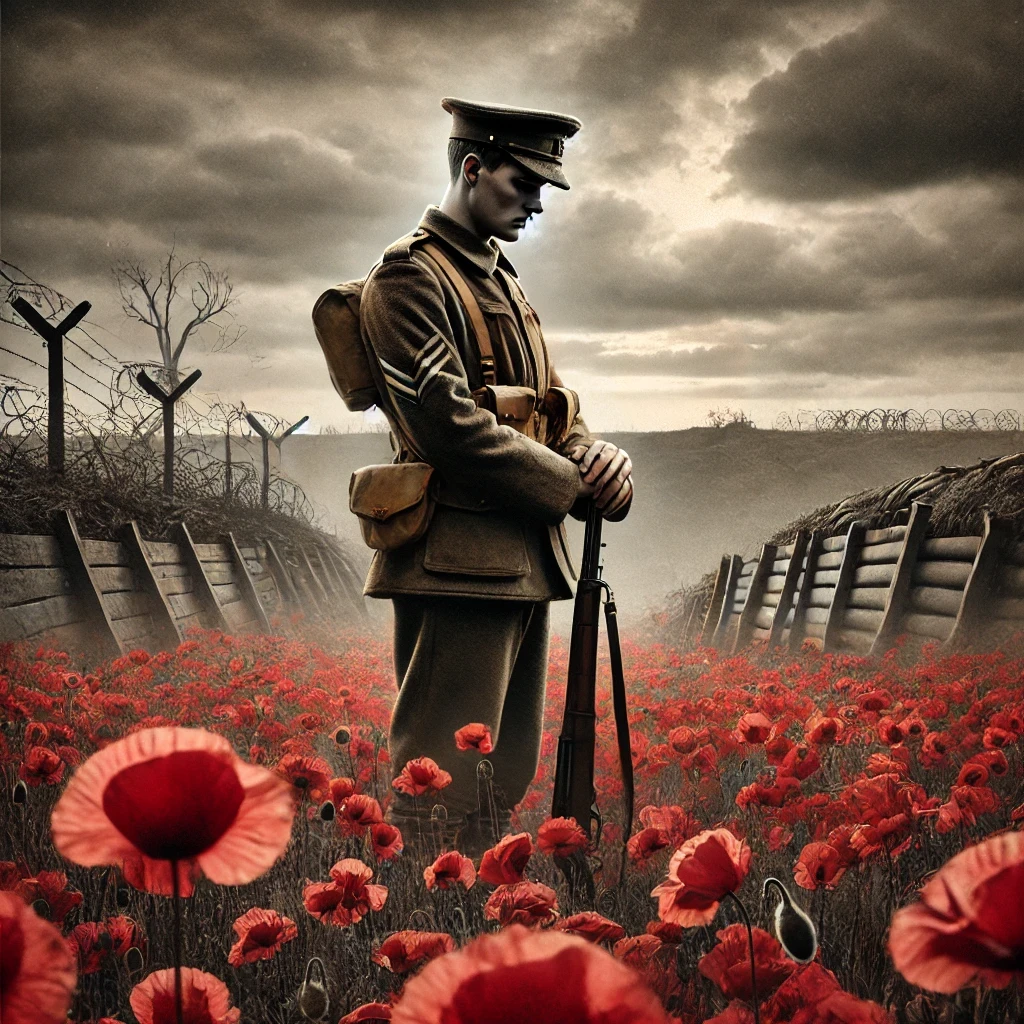
The retreat led to the establishment of more stable frontlines and the onset of trench warfare, which would come to define much of the Western Front during World War I. The Battle of the Marne resulted in heavy casualties on both sides, with estimates of around 250,000 German casualties and similar numbers for the Allies. Moltke's decision signified a shift from rapid offensive maneuvers to a prolonged and grueling stalemate that would last for much of the war.
The impacts of this retreat were felt both strategically and psychologically. It bolstered Allied morale and underscored the difficulties Germany would face in achieving a quick victory. The war of attrition that followed drained resources and led to massive loss of life, fundamentally altering military and civilian life across Europe.
#MoofLife #WWI #BattleoftheMarne #HelmuthvonMoltke #HistoricalDecision #TrenchWarfare
Primary Reference
Six Weeks in 1914
Explore the Life Moments of
 AI Twin