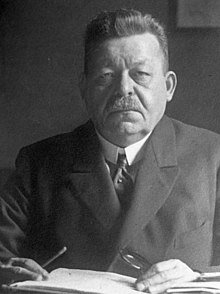
Friedrich Ebert and the Weimar Republic: Germany's shift towards democratic governance in WWI crisis.
Germany
Political
5 min read
Updated By: History Editorial Network (HEN)
Published:
Updated:
Friedrich Ebert, the leader of the Social Democratic Party, assumed the Chancellorship of Germany during a critical juncture in World War I. This transition marked a pivotal change in Germany’s political landscape with the proclamation of the Weimar Republic, ushering in democratic governance for the first time in the nation’s history. The shift took place against the backdrop of war fatigue, social unrest, and a push for political reform from within the country.
Ebert’s ascension to power came as the German Empire faced military defeat and internal collapse. The abdication of Kaiser Wilhelm II created a power vacuum, necessitating a new form of government. Ebert, leading the largest party in the Reichstag, became a natural candidate to navigate the tumultuous period ahead. His appointment signified a move towards parliamentary democracy and away from autocratic rule.
The proclamation of the Weimar Republic represented a fundamental restructuring of German politics. It was a strategic effort to stabilize the nation by addressing the demands of a diverse coalition of socialists, liberals, and centrists who sought to prevent Bolshevik-style revolution while establishing a framework for representative democracy. The challenge for Ebert and the fledgling republic was enormous, requiring balancing competing interests and ensuring that democratic principles took root.
The transition saw immediate impacts. Germany began to draw up the Weimar Constitution, which granted extensive civil liberties and aimed to safeguard democratic governance. Efforts were made to renegotiate the terms of peace in the aftermath of World War I, although the harsh conditions of the Treaty of Versailles later posed significant challenges. Additionally, the period set the stage for political, social, and economic upheavals that both tested and shaped the durability of the Weimar Republic.
Though the Weimar Republic ultimately experienced many trials and tribulations, including hyperinflation and political extremism, its establishment under Friedrich Ebert marked a historic move towards democracy in Germany. The period set foundational precedents for governance and civil rights that echoed through German history.
#ChancellorEbert #WeimarRepublic #GermanDemocracy #WWI #MoofLife
Primary Reference
Friedrich Ebert | German Social Democrat & Weimar Republic ...
Explore the Life Moments of
 AI Twin