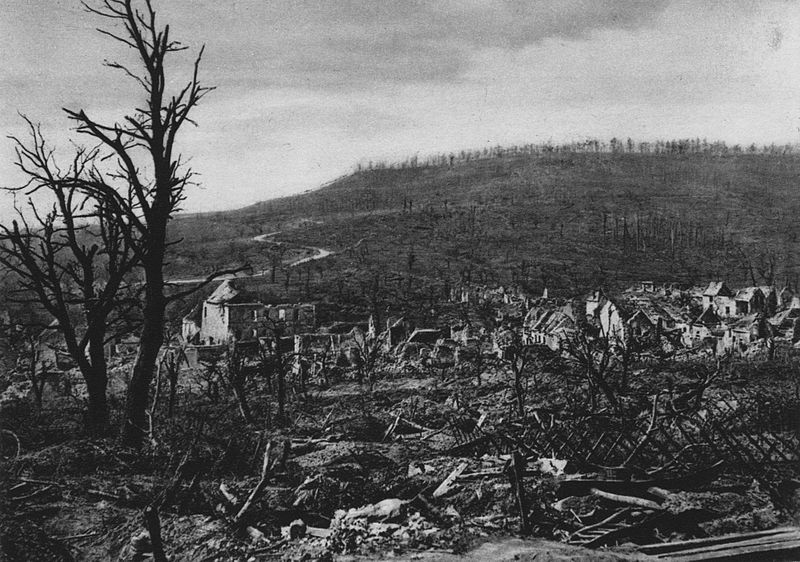
French Army's Aisne Offensive: Breakthrough strategy to overcome Western Front stalemate with Allied forces.
Germany
Political
4 min read
Updated By: History Editorial Network (HEN)
Published:
Updated:
The French army commenced strategic preparations for a significant offensive along the Aisne River. Commanders aimed to break the protracted stalemate of the Western Front, part of a concerted effort by the Allied forces. The broader strategy relied on a coordinated series of assaults to weaken German defenses and gain crucial territory.
Involved in detailed planning, French military officials utilized artillery barrages to soften enemy positions. Engineers constructed supply lines while reconnaissance units gathered vital intelligence on German fortifications. The aim was to disrupt the entrenched positions that had defined much of the conflict to date, hoping for a decisive breakthrough.
The Aisne offensive was part of larger Allied operational plans, synchronizing with British efforts and contributing to the combined force's overall strategy. The operation involved mobilizing significant infantry and artillery resources, reflecting the scale and importance of the endeavor. Tactical innovations and increased use of heavy artillery marked this phase of the conflict.
This planned offensive would impact both military strategies and the soldiers' morale, symbolizing renewed attempts to overcome the deadlock. While previous encounters along the front had led to significant casualties with limited territorial gains, the French army sought to implement lessons learned and technological advancements to strive for a different outcome.
Ultimately, these preparations were a crucial step in the Allied efforts to tilt the balance in their favor and bring an end to the prolonged and devastating warfare along the Western Front.
#MoofLife #WWI #WesternFront #FrenchArmyOffensive #AisneRiver #MilitaryStrategy #AlliedForces #BreakTheStalemate #TacticalInnovation #Artillery #HistoricalEvent
Primary Reference
The Battle Of Arras In World War 1 - What You Need To Know
Explore the Life Moments of
 AI Twin