Entrenched Positions along Western Front: Shift to Static Trench Warfare in World War I
Germany
Military
5 min read
Updated By: History Editorial Network (HEN)
Published:
Updated:
The onset of entrenched positions along the Western Front marked a critical phase in World War I, shifting the nature of combat from rapid movement to static trench warfare. After the initial battles failed to deliver a decisive victory for either side, the combatants, predominantly the Allied Powers and the Central Powers, resorted to digging extensive networks of trenches.
These trenches stretched approximately 400 miles from the North Sea to the Swiss border, forming an unprecedented combat front. The change led to prolonged stalemates where both sides faced formidable barriers that were difficult to breach, significantly altering the dynamics of warfare.
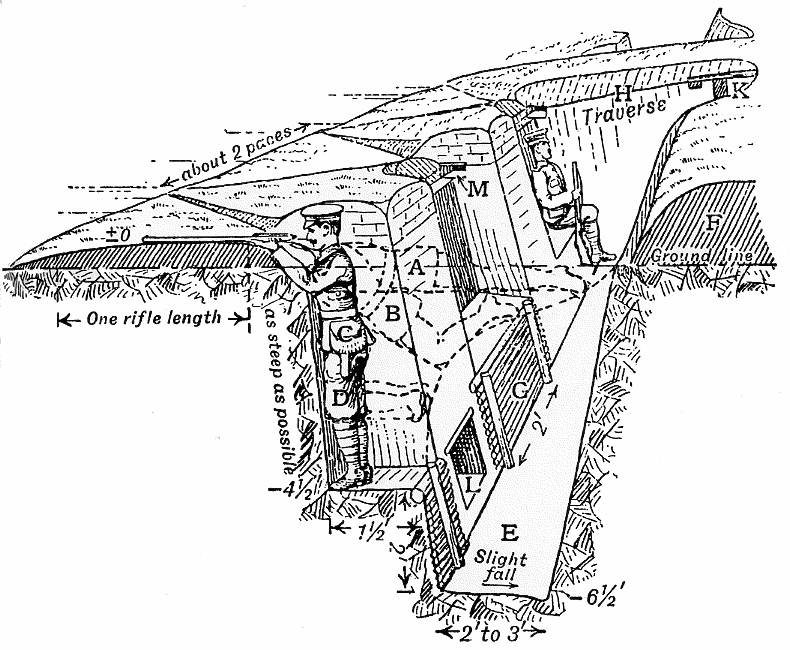
In this entrenched conflict environment, soldiers lived in challenging conditions, frequently exposed to the elements and under constant threat from enemy fire. Trench systems included frontline trenches, support trenches, and reserve trenches, connected by communication trenches. The development of “No Man’s Land,” a hazardous zone between opposing trench lines, became a symbolic representation of the futility and devastation of the warfare.
Casualties soared due to entrenched positions, as traditional strategies were rendered ineffective against well-protected defenses. The introduction of machine guns, artillery barrages, and chemical weapons compounded the lethality of trench warfare. The nature of engagements shifted to attrition warfare, where the primary objective was to wear down the enemy through sustained bombardments and occasional offensives, resulting in massive losses without significant territorial gains.
The impact on soldiers and civilians was profound. Life in the trenches involved exposure to high mortality rates not only from combat but also from diseases and harsh living conditions. The static nature of the battlefront meant that soldiers spent extended periods in confined, unsanitary spaces, contributing to physical and psychological strain.
#WWI #WesternFront #TrenchWarfare #StaticWarfare #MilitaryHistory #MoofLife
Primary Reference
Trench warfare | Definition, History, & Facts | Britannica
Explore the Life Moments of
 AI Twin