Devastating Spanish flu pandemic: origins, spread, impacts, and response efforts during global crisis.
Germany
Global Trade
Economic Downturn
Science
4 min read
Updated By: History Editorial Network (HEN)
Published:
Updated:
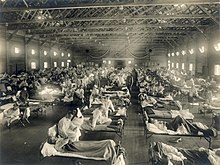
At a military base in Fort Riley, Kansas, a group of soldiers fell severely ill, displaying symptoms of an aggressive influenza strain. This occurrence marked the early stage of what would later be identified as the Spanish flu. Originating in the cramped conditions of military training camps, the disease quickly found its way into the wider population as soldiers moved to various locations for World War I.
The Spanish flu would go on to infect an estimated one-third of the global population, resulting in tens of millions of deaths. The exact mortality numbers are debated, with estimates ranging from 50 million to 100 million people worldwide. This pandemic spread rapidly due to the close quarters of military barracks, troop movements, and the mass gatherings associated with the war effort.
One distinguishing feature of the Spanish flu was its high mortality rate among young adults, a demographic typically less affected by seasonal flu outbreaks. The rapid and severe progression of the disease often resulted in death within days of symptom onset, leading to overwhelmed medical facilities and exceeding the capacities of healthcare providers. Public health responses included the closure of public spaces and the implementation of quarantines in an attempt to control its spread.
The global impact of the Spanish flu was profound, straining the economies and healthcare systems of many countries. In the subsequent years, it would drive advancements in medical science and public health policies, ultimately shaping how societies respond to pandemics.
#PandemicHistory #WorldWarI #PublicHealth #SpanishFlu #MilitaryBase #GlobalImpact #MoofLife
Primary Reference
The 1918 Flu Pandemic: Why It Matters 100 Years Later | Blogs | CDC
Explore the Life Moments of
 AI Twin