Challenges and Stalemate in the Gallipoli Campaign
Germany
Military
4 min read
Updated By: History Editorial Network (HEN)
Published:
Updated:
The Gallipoli Campaign saw Allied forces facing significant challenges as they attempted to advance against well-entrenched Ottoman positions. The campaign aimed to open a sea route to Russia and to knock the Ottoman Empire out of World War I. However, the Allies encountered strong resistance, making it difficult to secure key objectives.
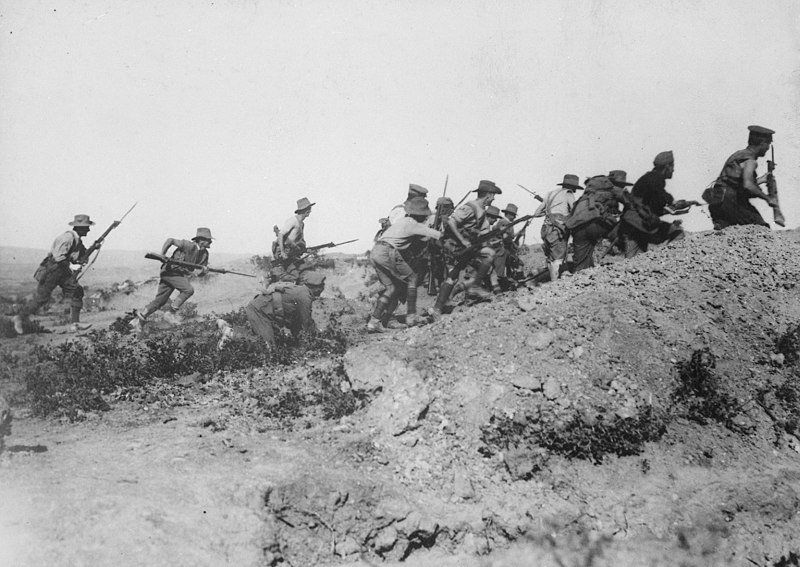
Upon landing on the Gallipoli Peninsula, Allied troops immediately confronted the tough terrain and strategically advantageous positions held by the Ottoman forces. The Ottomans, led by commanders such as Mustafa Kemal, effectively utilized the rough landscape to establish fortified defense lines. This tactic resulted in high casualties for the Allies and minimal territorial gains.
In several engagements, including the battles at Anzac Cove and Cape Helles, the Allies found themselves bogged down. Repeated attempts to breakthrough met with stiff Ottoman resistance, leading to heavy losses. These engagements exposed the difficulty of overcoming a well-prepared and determined adversary in challenging geographical conditions.
The Allied forces suffered from logistical challenges, including inadequate supplies and harsh environmental conditions, which compounded their struggle. The inability to secure a decisive victory led to growing frustration among the troops and command.
By the time the fighting at Gallipoli drew to an end, the campaign had resulted in significant casualties on both sides. The Allies failed to achieve their strategic objectives, making it one of the costly and less successful operations of World War I.
#MoofLife #WWI #GallipoliCampaign #AlliedForces #OttomanEmpire #MilitaryHistory #WarCasualties
Primary Reference
Gallipoli: Lessons from the Great War on the Projection of Power ...

Explore the Life Moments of
 AI Twin