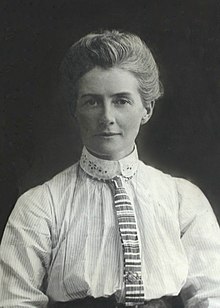
British nurse Edith Cavell was executed by German forces in occupied Belgium, accused of helping Allied soldiers escape; her death provoked international outrage.
Germany
6 min read
Updated By: History Editorial Network (HEN)
Published:
Updated:
On October 15, 1915, British nurse Edith Cavell was executed by German forces in occupied Belgium, a tragic event that sparked widespread international outrage and intensified anti-German sentiment across Allied nations. Cavell, a dedicated nurse and the head of a nursing school in Brussels, was accused by German authorities of aiding the escape of over 200 Allied soldiers from German-occupied Belgium to neutral Holland. Her arrest and subsequent death marked her as a martyr for the Allied cause, symbolizing courage and compassion amidst the horrors of war.
Edith Cavell was born in 1865 in Norfolk, England, and had dedicated much of her life to nursing, even working in Belgium before World War I to establish the first nursing school there. When Germany occupied Belgium in 1914, she chose to remain in Brussels to tend to wounded soldiers, regardless of their nationality. As the war progressed, Cavell became involved in an underground network that helped British, French, and Belgian soldiers, as well as civilians, escape from occupied territory. Her activities were well-known in the community, and although aware of the risks, she continued to shelter and guide Allied soldiers to freedom.
German authorities arrested Cavell in August 1915, accusing her of treason under German martial law, which prohibited aiding enemy soldiers. During her trial, she openly admitted to helping Allied soldiers, stating that she felt morally compelled to save lives and alleviate suffering wherever she could. Despite pleas for clemency from American and Spanish diplomats, who argued for her humanitarian work and the mercy usually afforded to nurses in wartime, the German military court sentenced her to death.
In the early hours of October 15, Edith Cavell was executed by a German firing squad. Her death provoked shock and condemnation worldwide, with Allied media and governments portraying her as an innocent victim of German cruelty. The British press used her story to rally public support for the war, painting her as a symbol of self-sacrifice and moral integrity. Figures like U.S. President Woodrow Wilson, then leading a neutral nation, were reportedly horrified by her execution, and her death became a rallying cry for recruitment and continued resistance against German forces.
Cavell’s legacy endured beyond the war, as she became an enduring symbol of humanitarianism and bravery. Her final words, "Patriotism is not enough. I must have no hatred or bitterness towards anyone," reflect her belief in compassion and forgiveness even in the face of war's darkest moments. Her life and death remain a powerful reminder of the moral complexities of wartime and the strength of individual conviction.
Monuments in her honor were erected across Britain, Belgium, and beyond, and she is remembered today as a heroine who defied oppression with courage and compassion.
#EdithCavell #WWI #HumanitarianHero #MomentsOfLife #MoofLife_Moment #MoofLife
Primary Reference
Who Was Edith Cavell? | Imperial War Museums
Explore the Life Moments of
 AI Twin